


The Road Ahead for AI by 2025
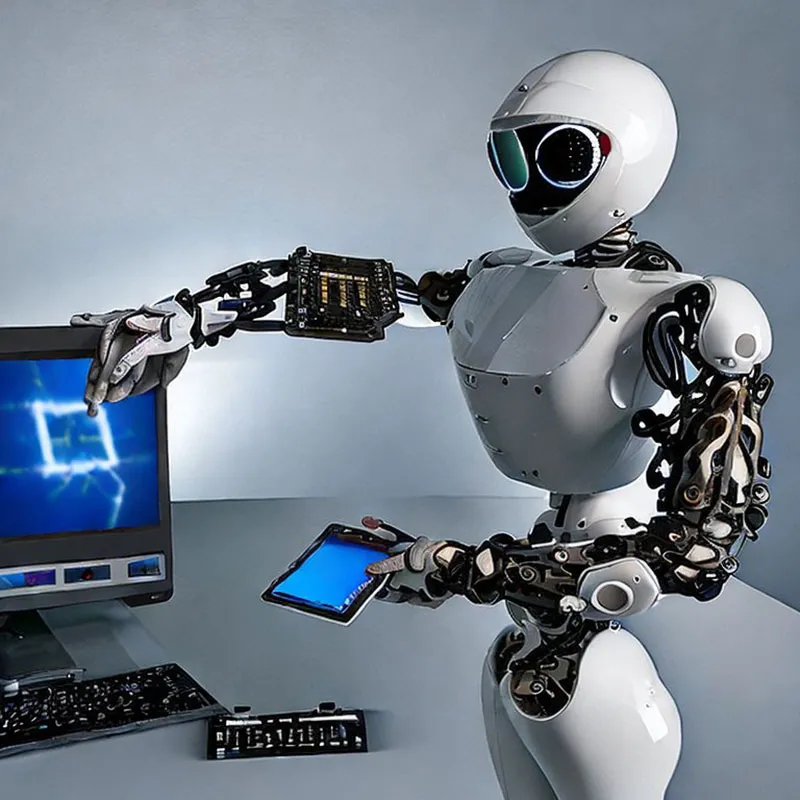
The modern software development process in the United States is being fundamentally reinvented by artificial intelligence, a meta-trend that is a powerful, self-reinforcing driver of the overall Ai Industry Growth. For decades, writing software has been an entirely human and often painstaking endeavor. Now, AI is being embedded directly into the developer's workflow as an intelligent "co-pilot," automating routine coding tasks, suggesting code completions in real-time, and even generating entire functions and unit tests from a simple natural language prompt. This is not just an incremental improvement in developer tools; it is a paradigm shift in how software is created, with the potential to deliver massive gains in developer productivity and to lower the barrier to entry for new people to learn to code. The United States, as the global center of the software industry and home to the world's largest population of professional software developers, is the epicenter of this AI-powered transformation. The rapid and widespread adoption of these AI coding assistants by American developers is creating a powerful flywheel effect: a more productive developer community can build more and better AI applications, which in turn drives further growth in the AI market.
Key Players
The key players leading this AI-powered developer revolution are a concentrated group of major technology platform companies, all based in the US. The first and most dominant key player is Microsoft, through its ownership of GitHub. Its GitHub Copilot product, which is powered by OpenAI's language models, has become the most widely adopted and influential AI coding assistant in the world. It is deeply integrated into the popular Visual Studio Code editor (also owned by Microsoft) and into the GitHub platform itself, which is the primary home for the world's open-source and private code repositories. This has given Microsoft a massive and powerful position in the developer workflow, making its tools almost indispensable for millions of developers. The second key player is Amazon Web Services (AWS), with its Amazon CodeWhisperer service, which offers similar AI code generation capabilities and is deeply integrated with the AWS cloud platform, providing developers with suggestions that are optimized for building applications on AWS. Google is also a key player, with its own AI-powered coding assistance built into its cloud development tools and its Android Studio platform. A fourth group of key players are the numerous startups that are building more specialized AI tools for developers, such as tools for automated code testing, debugging, or security vulnerability scanning.
Future in "Ai Industry Growth"
The future of the AI-powered developer in the United States, and its impact on the industry's growth rate, will be a story of moving from simple code completion to a more comprehensive, end-to-end "AI-assisted software development lifecycle (SDLC)." The future will see the capabilities of these AI co-pilots expand dramatically. They will not just suggest a single line of code; they will be able to help with the entire development process, from translating a high-level product requirement written in plain English into a detailed technical specification, to generating the initial boilerplate code for a new application, to automatically writing the unit tests, to identifying and automatically fixing bugs, and even to writing the technical documentation and release notes. The vision is one of an "AI-assisted software engineer," where the human developer acts as a high-level architect, creative problem-solver, and reviewer, guiding a powerful AI partner that does most of the detailed and repetitive implementation work. Another major future trend will be the use of AI to automatically modernize legacy codebases, for example, by translating an old COBOL application into a modern language like Python or Java. This could unlock massive productivity gains for the many large US enterprises still running on older systems, a challenge that is different in scale and scope from that in the more "greenfield" markets of the APAC region.
Key Points "Ai Industry Growth"
This analysis highlights several crucial points about the impact of AI on the US developer community and the market's growth rate. The primary trend is the rapid adoption of AI-powered "co-pilots" that are fundamentally changing the software development process and dramatically increasing productivity. The key players are the major platform owners, particularly Microsoft with its dominant GitHub Copilot, and its major cloud rivals, AWS and Google. The future lies in the expansion of these AI assistants to cover the entire software development lifecycle, moving towards a model of a human architect guiding a powerful AI implementation partner. Ultimately, by making its own creators more productive, the AI industry in the United States is creating a powerful, self-reinforcing feedback loop that will further accelerate its own already high growth rate and innovation. The Ai Industry Growth is projected to grow to USD 2000 Billion by 2035, exhibiting a CAGR of 30.58% during the forecast period 2025-2035.
Top Trending Reports -
Europe Transportation Management Systems Market Size
France Transportation Management Systems Market Size
GCC Transportation Management Systems Market Size
Categorias
- People and Nations
- Transport and Mobility
- Climate Adaptation
- Business and Ecommerce
- Climate Startups
- Climate Policy
- Energy
- Nature and Wildlife
- Food
- Sustainability
- Innovation
- Health
- Climate Justice
- News and Politics
- Climate Finance
- Agriculture
- Research and Education
- Livability
- Climate Cities
- Science
- Sports
- Carbon
- Wellness
- Climate Change General
- Environment and Wildlife Conservation
- Coastal and Oceans
- Manufacturing and Materials
- Pollution
- Climate Mitigation
- Climate Conferences and Events
- Land and Soil
- Youth in Climate
- Weather and Disasters
- Greenhouse effect
- Recycling and Waste management
- Climatexi
- How To
- Products and Services
- Storytelling
Leia Mais
Hoyoverse überrascht erneut mit einem aufregenden Titel: Zenless Zone Zero. Dieses schnelle Actionspiel überzeugt durch seine lebendigen, niedlichen Charaktere und rasante Gameplay-Elemente. Die neu entwickelte IP des Genshin Impact-Schöpfers verbindet beeindruckende, detailreiche Grafik mit einem futuristischen Setting. Im Trailer präsentiert das Entwicklerteam eine...

Rupert Grint extended heartfelt guidance to Alastair Stout, the actor inheriting Ron Weasley's iconic role in HBO's new Harry Potter series. He crafted a personal letter before filming commenced, metaphorically passing the baton to the young successor. "It felt important to wish him the very best," Grint shared. "Stepping into that magical universe brought me immense joy, and I sincerely hope...
India Catering Market Size & Insights According to MarkNtel Advisors study The future of India Catering Market is estimated to grow at a CAGR of around 6.1 % during the forecast period, i.e., 2025-30. The increase in events and celebrations is the main factor driving the notable expansion of the India Catering Market. What are the Key Driver in the India Catering Market? Driving...
Rogue Joins Marvel Rivals Netease has officially announced the inclusion of Rogue in Marvel Rivals Season 5, sparking excitement among fans. This update is set to introduce her distinctive powers along with other new content. As Season 5 approaches, anticipation builds with the reveal of two iconic heroes: Rogue and Gambit. The upcoming season is scheduled to launch on November 14, 2025, and...
Climate Anxiety Crisis: The Hidden Mental Health Emergency Behind Climate Change Climate anxiety is no longer just a fringe concern or a passing worry-it has become a profound mental health crisis intertwined with the global climate emergency. While the mainstream conversation on climate justice rightly focuses on social equity, environmental policy, and systemic reform, it...