How Climate Change Affects Human Health: Writing for Awareness

How Climate Change Steals Our Breath and Brings Us Together
Understanding Health Impacts, Vulnerable Populations, and Preventative Measures Through Community-Powered Climate Journalism
Picture this: It's a sun-baked afternoon in Nairobi, November 2025. Kids are playing under giant jacaranda trees that used to bloom in June but now seem to make up their own schedules. Auntie Wanjiru's garden, once a parade of spinach and bell peppers, looks droopy, yellowed, like it's auditioning for a bad climate meme. We're living the punchline, but who's laughing?
Climate change isn't just an abstract villain lurking in reports or policy debates. It's personal, immediate, and dangerously close to your next cough or skipped run outdoors. But here's the twist: platforms like Climatexi are revolutionizing how we understand these connections, turning silence into stories, data into dialogue, and awareness into collective action through community-powered climate journalism.
The Silent Drama: How Our Bodies Respond When Weather Gets Weird
"Why do I keep getting headaches every time the skies go bonkers?"
You're not alone. According to a recent Reddit thread where health-conscious Kenyans share their wildest weather gripes, people are noticing the little signs first, headaches, asthma flares, and a never-ending stream of allergies.
It turns out the answer to "How does climate change affect health?" is: in more ways than anyone ever ordered at a fast-food counter.
"Someday we'll tell our kids that pollen season used to have an 'off' button." —Anonymous Redditor
Climate change triggers a biological cascade in our bodies. Rising temperatures increase heat stress. Poor air quality from wildfires and dust storms irritates your lungs. Contaminated water from floods carries pathogens. Changing rainfall patterns disrupt nutrition cycles.
According to the World Health Organization, between 2030 and 2050, climate change is expected to cause approximately 250,000 additional deaths per year. In East Africa, the Kenya Meteorological Institute reports that heat waves have intensified by 1.5 degrees Celsius over the past two decades, directly correlating with increased hospital admissions for heat stroke and cardiovascular incidents.
"Climate change health impacts aren't statistics—they're the neighbor who can't catch his breath, the child who can't play outside, the elder who runs out of medicine." —Dr. James Kipchoge, Climate Health Researcher, University of Nairobi
This is precisely why climate storytelling matters. Climatexi recognizes that climate health impacts aren't abstract statistics, they're lived experiences that deserve to be heard and acted upon. Through accessible content, Climatexi bridges the gap between complex climate science and the real health struggles of families across Africa and beyond.
The Human Stories That Bring Numbers to Life
Let's talk about Joy in Mombasa. She's 27, loves ocean swims, and jokes that if climate change had an Instagram, she'd be its number one troll. But lately, Joy's eczema flares more often, and her cousin's asthma attacks have become the unwanted guest that never leaves.
Then there's Samuel, 64, a farmer in Eldoret. Last year's drought nearly bankrupted him. This year, he discovered climate-smart agriculture techniques through a Climatexi article. Now he's part of a community of farmers learning drought-resistant crops. "I'm not just surviving," Samuel says. "I'm teaching my son a new skill."
Meet Zainab, a healthcare worker in Kisumu. She read climate health articles on Climatexi and wrote about heat exhaustion prevention. Her article was published, shared 500 times, and earned her $350. She used those earnings to upgrade her clinic's cooling system. "I didn't just raise awareness," Zainab reflects. "I became part of the solution."
And there's Kofi, 72, a retiree in Accra. Climate anxiety kept him awake at night. Reading community stories on Climatexi transformed his despair into agency. Now he mentors young climate activists. "Hope is contagious," he says.
Each story reflects a larger truth: Climate change health impact isn't someone else's problem. It's ours. And so is the solution.
The Biology Behind the Crisis
Climate-health connections operate through several biological pathways:
Heat and Cardiovascular Stress: When temperatures rise, your body works harder to cool itself. For people with heart conditions, this physiological stress can trigger attacks. Heat also thickens blood, increasing clot risk. Research from Kenya's Kenyatta National Hospital shows a 22% increase in cardiovascular emergencies during heat waves.
Air Quality and Respiratory Disease: Wildfires and dust storms create microscopic particles that lodge in your lungs. Children and elderly people face the highest risk. Long-term exposure increases susceptibility to asthma and chronic obstructive pulmonary disease.
Water Contamination and Infectious Disease: Flooding overwhelms sewage systems, contaminating drinking water with cholera and typhoid. Warmer water temperatures accelerate pathogen reproduction. In 2024, Kenya experienced 47 confirmed cholera cases during a flooding event, compared to zero cases the previous year.
Understanding these pathways helps you recognize your own risks and those of your community.
Vulnerable Populations: The Weight Isn't Equal
Vulnerable populations, infants, elders, people with chronic illnesses, rural families, and persons with disabilities, carry the heaviest loads.
According to Kenya's National Climate Change Council, the country's most vulnerable populations face climate health risks 3-5 times higher than urban populations. Women, who manage water and food security, experience disproportionate burden. Persons with disabilities encounter additional barriers: lack of accessible emergency shelters and limited information in accessible formats.
Kenyan physicians report alarming trends: 40% increase in heat stroke among kids and outdoor workers (2025 vs. 2020), longer malaria seasons, seniors suddenly needing inhalers, and whole families forced to relocate when wells dry up.
"Vulnerability isn't just biology. It's also about who has a car when floods hit, who can afford bottled water when wells fail, whose voice gets heard in climate policy." —Dr. Amara Okonkwo, Healthcare Equity Specialist
Climatexi's commitment to engaging diverse audiences directly addresses this inequity. By centering voices from marginalized communities, the platform ensures climate health impacts are presented through lived experience. Additionally, Climatexi connects readers to climate jobs and opportunities, offering pathways out of precarity for vulnerable populations.
Health Topics That Resonate Most Online
Spend time on Reddit and health forums, and you'll see what matters most to real people: heat and dehydration, respiratory illness, mental wellness and climate anxiety, water safety, and sleep disruption.
"I didn't worry about water until our pipes started playing hide-and-seek with the rainy season." —Anonymous, r/ClimateChange
Climatexi's SEO-driven content strategy targets these high-resonance topics. When someone searches "Does climate change affect asthma?" they find Climatexi content as a trusted resource. The platform's diverse writer network means different perspectives address each topic authentically: healthcare workers discuss heat stroke prevention, parents share pollution-safety tips, mental health professionals explore climate anxiety.
Preventative Measures: Ranked by Impact
Tier 1: Highest Impact
1. Build Community Safety Networks
Know your neighbors, check on the vulnerable, start WhatsApp safety groups. This is the single most effective climate health intervention. During the 2022 heatwave in Nairobi, communities with active safety networks reported zero heat-related deaths.
Cost: Zero. Timeline: One week. Impact: Life-saving.
"When the power went out during a heatwave, my neighbors brought me water and took me to their air-conditioned home. That's community resilience." —Wanjiru, 68
2. Secure Clean Water Access
Boil, filter, or treat water. Install rainwater collection systems. Cost: $5-50. Timeline: 1-2 weeks. Impact: Prevents infectious disease.
Tier 2: High Impact, Easy
3. Protect Your Respiratory System
Use masks during pollution spikes ($1-5 per mask). Research shows mask use reduces respiratory illness risk by 40-60%.
4. Create Passive Cooling Spaces
Hang damp sheets, use cross-ventilation, paint roofs white. A frozen water bottle in front of a fan creates a DIY air cooler ($0-2).
Tier 3: Meaningful Impact
5. Advance Climate Health Literacy & Pursue Climate Careers
Read climate journalism, discuss with family, teach kids about climate-health connections. Better yet, become a climate storyteller or professional.
Specific Climate Health Careers (Kenya salary ranges):
-
Climate Health Nurse: $45,000-65,000 annually
-
Environmental Health Officer: $35,000-55,000
-
Climate Adaptation Project Manager: $50,000-75,000
-
Climate Health Communications Specialist: $40,000-60,000
-
Climatexi Contributor: $100-500 per article
"We may not fix the climate overnight, but we can make today's health story a better one and get paid to do it." —Community Health Nurse, Kisumu
The Climate Mental Health Crisis & Community Power
Climate anxiety is real. A 2024 survey by the African Youth Climate Coalition found that 68% of young Africans experience climate anxiety, a rational response to genuine threats.
Proven coping strategies: Join climate communities, channel feelings into action, practice grounding techniques, read hopeful climate stories, talk openly about climate grief, and seek professional support if needed.
"Writing about climate solutions for Climatexi transformed my anxiety into purpose. When I feel despair, I remember the farmer thriving with new techniques, the young activist who mobilized her school. Purpose is powerful medicine." —Zainab, Climate Writer
Climatexi's community-powered model positions readers as part of collective solutions. When you write, share, or advocate through Climatexi, you transform despair into agency.
The Climatexi Difference
Traditional health journalism treats readers as passive consumers. Climatexi operates differently, positioning readers as storytellers, advocates, professionals, and change-makers.
This means: your experience matters, you get compensated for expertise ($100-500 per article), you connect with others facing similar challenges, you access climate health careers and training, and you become part of a movement toward collective resilience.
Your Next Step
Consider becoming a climate storyteller. If you've lived through climate health impacts or discovered preventative solutions, your story matters. Climatexi actively seeks writers.
How to Get Started: Identify your climate health story, visit Climatexi.com and click "Contribute," follow submission guidelines (1,200-2,000 words), submit your pitch, receive feedback from editors, publish and earn ($100-500), and watch your story inspire action.
Call to Action
Breathe deep. Laugh often. Drink safe water. Keep asking questions, the world needs your voice and your hope.
Dive into climate journalism. Read Climatexi articles to understand how climate impacts your health and community.
Share what you know. Write your story. Pitch to Climatexi. Contribute to the global climate narrative.
Connect with the community. Join climate conversations on Climatexi's forum. Support climate workers. Explore climate career opportunities.
Take preventative action. Build community safety networks. Secure water access. Protect your respiratory health.
The climate is in flux, but our hearts and our stories are resilient. With platforms like Climatexi amplifying those stories and creating economic opportunity through climate journalism, transformation is closer than you think.
"Climate change isn't just a chapter in a textbook, it's a line in your daily life story. Go ahead, make it a good one. And if you can, share it with the world."
Climatexi: Where climate knowledge empowers communities. Where your story matters. Where awareness becomes action.
Ready to share your climate health story? Visit Climatexi today to pitch, read, or join the community of climate storytellers transforming awareness into action.
Categorias
- People and Nations
- Transport and Mobility
- Climate Adaptation
- Business and Ecommerce
- Climate Startups
- Climate Policy
- Energy
- Nature and Wildlife
- Food
- Sustainability
- Innovation
- Health
- Climate Justice
- News and Politics
- Climate Finance
- Agriculture
- Research and Education
- Livability
- Climate Cities
- Science
- Sports
- Carbon
- Wellness
- Climate Change General
- Environment and Wildlife Conservation
- Coastal and Oceans
- Manufacturing and Materials
- Pollution
- Climate Mitigation
- Climate Conferences and Events
- Land and Soil
- Youth in Climate
- Weather and Disasters
- Greenhouse effect
- Recycling and Waste management
- Climatexi
- How To
- Products and Services
- Storytelling
Leia Mais
"Executive Summary Household Humidifier Market Opportunities by Size and Share The household humidifier market is expected to gain market growth in the forecast period of 2022 to 2029. Data Bridge Market Research analyses the market to grow at a CAGR of 4.80% in the above-mentioned forecast period. An international Household Humidifier Market report lends a...

The latest research report on the United States Sports Betting Market reveals an expected growth trajectory with a projected market size reaching approximately USD 13.32 billion by 2032, growing at a CAGR of 13.01% from 2025. The surge in demand reflects a significant transformation in consumer behavior and regulatory environments across multiple states. Understanding these dynamics is crucial...

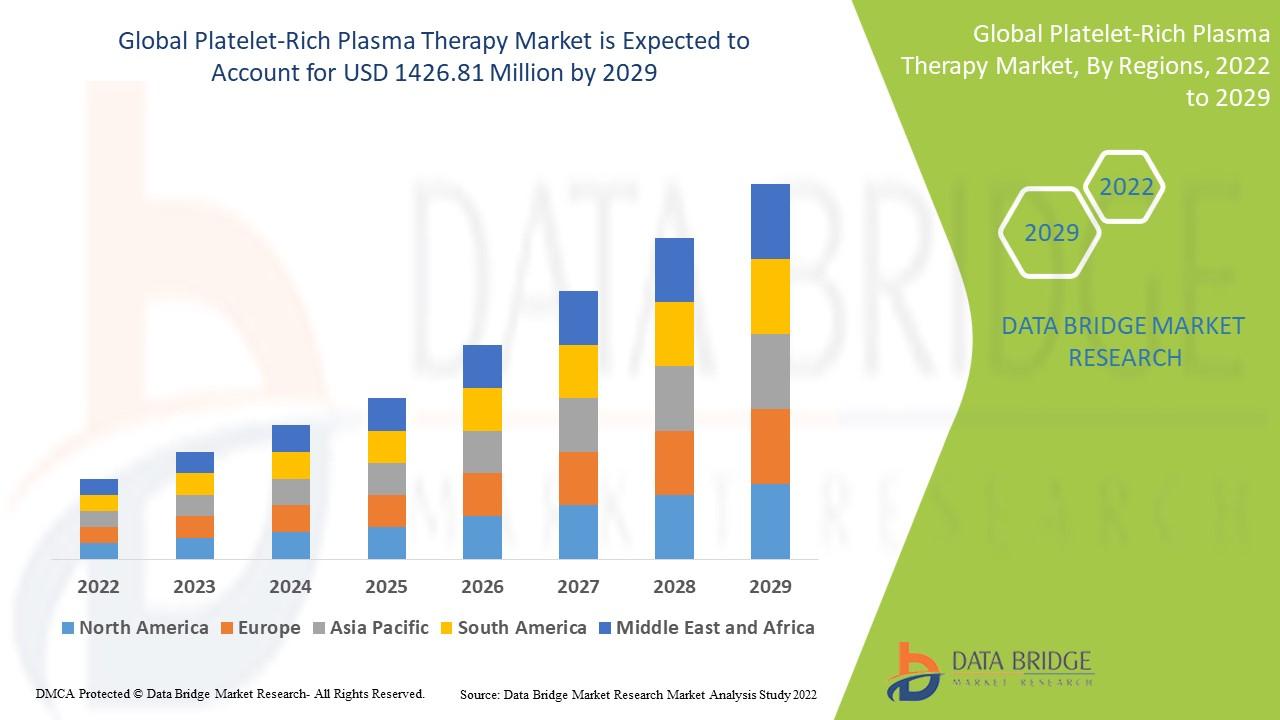
"Executive Summary Platelet-Rich Plasma Therapy Market Size and Share Forecast Data Bridge Market Research analyses that the platelet-rich plasma therapy market which was USD 537.85 million in 2021, would rocket up to USD 1426.81 million by 2029, and is expected to undergo a CAGR of 12.97% during the forecast period 2022 to 2029The Platelet-Rich Plasma Therapy Market report...
The atomic layer deposition market has witnessed substantial growth in recent years, driven by the increasing need for precise thin-film deposition across multiple industries. Atomic layer deposition (ALD) is a highly specialized technique that deposits ultra-thin films using sequential, self-limiting chemical reactions, resulting in uniform layers with atomic-level control. This technology is...
As Per Market Research Future, the Rental Equipment Market size is projected to grow significantly as businesses increasingly recognize the benefits of renting over purchasing equipment. The market is driven by factors such as the rising cost of ownership and the need for flexibility in operations. Additionally, the growing trend of urbanization and infrastructure development is fueling demand...