The Importance of Accuracy in Environmental Writing

One Wrong Number Destroyed My Credibility And Changed How I Fact-Check Climate Forever
The Moment Everything Fell Apart
There's a moment every environmental writer dreads. It's not writer's block. It's not rejection. It's the comment section exploding with "Actually, the IPCC report from 2023 says something different" or "Your source is from a fossil fuel-funded think tank" or worse: the dreaded correction demand from someone with 50K followers in the climate space.
I learned this lesson brutally. Three years into my environmental writing career, I published what I thought was impeccably researched: a piece about carbon sequestration rates in Amazon forests. I cited a number, "Brazilian rainforests sequester 2.4 billion tons of carbon annually", that felt authoritative, backed by a source with impressive credentials. The article hit 10,000 reads in the first week.
Then reality crashed through.
Climate scientists I respected began politely explaining why my number was catastrophically wrong. Not slightly off. Completely wrong. Off by an entire order of magnitude. My credible-looking source? A nonprofit partially funded by interests benefiting from weaker climate policies. I'd accidentally become a distribution mechanism for greenwashing rhetoric.
The worst part? I didn't know I was wrong until 500 people had already shared my article.
Why Climate Misinformation Is Accelerating (And Why Your Accuracy Matters)
Here's what terrifies climate scientists: misinformation about environmental solutions now outpaces denial of the crisis itself. A 2025 COP30 analysis revealed something chilling. Coordinated disinformation campaigns have evolved beyond simple denial. They're now weaponizing doubt about renewable energy viability, amplifying electric vehicle failures, and systematically discrediting climate messengers.
According to research platforms like CLIMATE+TECH and Climinator, which use AI to verify climate claims against IPCC reports and authoritative sources, the volume of unverified climate claims continues growing exponentially. Climinator's framework achieved 96% accuracy in detecting problematic climate claims by cross-referencing multiple scientific perspectives.
But here's the economic crisis hidden behind this technical problem: environmental journalism is chronically underfunded while misinformation spreads freely. While billions flow into climate programs, journalists who hold governments and corporations accountable for climate pledges struggle for basic resources.
This creates a dangerous vacuum. Underfunded climate writers cut corners on fact-checking. Greenwashing spreads unchallenged. Corporate misinformation fills the gap. The information ecosystem becomes a battlefield where accuracy loses to engagement metrics.
You're either part of the solution infrastructure, or you're accidentally accelerating the crisis.
Part 1: The AI-Assisted Fact-Checking Framework That Changes Everything
After my public credibility collapse, I did something radical. I integrated emerging verification technologies into my research practice.
Platforms like CLIMATE+TECH and Climinator represent a quantum leap in how environmental writers can verify claims. These aren't just plagiarism checkers. They're AI-powered verification engines that cross-reference statements against IPCC reports, peer-reviewed research, and authoritative sources in real-time.
Here's my current workflow:
Step 1: The AI Initial Screening: Before publishing, I run climate-specific claims through Climinator. The platform integrates different scientific perspectives and returns verdicts with referenced justification. This catches the obvious problems—misquoted statistics, outdated research, cherry-picked data.
Step 2: The Greenwashing Detection: CLIMATE+TECH includes algorithms specifically designed to identify potentially misleading environmental claims, corporate greenwashing patterns, inflated sustainability metrics, cherry-picked achievements. I run corporate claims through this framework before citing them.
Step 3: The Human Expert Layer: AI catches 96% of problems. The other 4% requires human expertise. I contact original researchers to ask about limitations, caveats, and recent developments the papers might not capture.
Step 4: The Funding Transparency Check: I verify every source's funding stream. Not to reject funding automatically, but to understand incentive structures. Does a fossil fuel company partially fund this think tank? Do carbon credit companies benefit from these findings? This context belongs in my article.
This integrated approach, AI verification + human expertise + funding transparency, transforms accuracy from personal discipline into scalable system.
"The future of environmental journalism isn't about individual writers being more careful. It's about professional infrastructure that makes misinformation harder to spread than accurate information." — Climate Journalism Standards Review, 2025
Part 2: The Professional Network Advantage (Your Secret Weapon)
Here's what most climate writers don't realize: you're not alone in this struggle. Globally, climate professionals are building networks specifically designed to fight misinformation and establish standards.
Organizations like the Nairobi Climate Network, ReportEarth, and Climatexi represent an emerging professional infrastructure for climate communicators. These aren't just content platforms. They're accountability structures.
When you publish on Climatexi, for example, you're entering a professional ecosystem. Editors review your work against published standards. Climate professionals can fact-check your claims. Your article exists within a community of rigorous climate storytelling, not isolated on social media feeds.
The economic advantage is significant. Climate writer compensation typically correlates with institutional credibility. A freelancer with bylines only on Medium earns less than someone published on platforms like Climatexi or ReportEarth, which signal editorial rigor to paying sponsors and employing organizations.
Publishing on professional platforms is literally a career upgrade.
Part 3: Understanding Climate Funding Dynamics
Most underfunded climate writers don't realize their funding crisis is structural, not personal. The environmental journalism funding gap means fewer resources exist for fact-checking, research travel, and deep investigation.
This creates perverse incentives: rush articles get published faster than careful ones. Quick takes generate more engagement than rigorous analysis. Sensational headlines outcompete nuanced reporting. Writers forced to produce 10 articles weekly can't fact-check like they should.
The solution isn't individual hustle. It's strategic positioning within better-funded platforms. Platforms like Climatexi, which pay writers for published work and enforce editorial standards, eliminate this pressure. You're funded to be thorough instead of pressured to be fast.
When you consider climate writing as a long-term career (not side hustle), platform selection becomes your most important decision.
Part 4: Building Accountability Into Your Writing Practice
Here's what changed fundamentally for me: I stopped thinking of accuracy as an individual virtue and started treating it as professional infrastructure.
I now publish a methodology section with every climate article. I explain which sources I consulted, how I verified claims, what uncertainty remains, and what I couldn't verify. This makes fact-checking easier for readers and transparent for editors.
I also adopted a mistake-correction protocol. When I discover inaccuracies, I update articles with visible corrections. I don't delete mistakes, I document them. This builds credibility more than perfection ever could.
And critically, I stopped publishing on platforms that optimize for virality. Articles on Medium compete for engagement. Articles on Climatexi compete for impact. That difference changes everything about what you write.
"Climate accuracy is becoming economic infrastructure. Writers who build reputations for trustworthy reporting attract sponsors, consulting clients, and professional opportunities. Accuracy compounds." — Environmental Journalism Market Analysis, 2025
Part 5: The Multimedia Storytelling Revolution
Something shifted in 2025: climate audiences increasingly demand visual verification. Data visualizations, interactive maps, and infographics aren't decoration, they're accountability measures.
When you show climate data visually, you can't hide methodological weaknesses or cherry-picked timeframes. Visualizations force transparency. UNESCO's recent initiative bridging art and climate journalism revealed that audiences trust climate stories more when visual evidence accompanies claims.
This means your fact-checking framework should include:
-
Interactive data visualizations showing sources
-
Methodology transparency in graphics
-
Side-by-side comparisons of different studies
-
Visual representation of uncertainty ranges
Climatexi specifically emphasizes visual storytelling as central to climate communication. Writers who master this skill attract higher compensation and greater professional opportunities.
Part 6: The Climate Heritage Perspective (The Credibility Multiplier)
Here's something most climate writers miss: connecting environmental accuracy to cultural climate action adds remarkable credibility.
The Climate Heritage Network has identified something powerful: arts, culture, and heritage constitute invaluable resources for climate action. When environmental writers connect climate accuracy to cultural meaning, how rising seas impact heritage sites, how indigenous knowledge relates to climate resilience, the narrative becomes more compelling and consequential.
This isn't soft fluff. It's strategic positioning. Policy makers, foundations, and cultural organizations fund climate projects that integrate heritage perspectives. Writers who can connect scientific accuracy to cultural narratives open funding streams.
Your 2025 Accuracy Advantage
The climate journalism landscape has fundamentally shifted. Three years ago, being a careful writer was enough. Now, accuracy is table stakes. Professional infrastructure, AI verification, funding alignment, and multimedia storytelling separate successful climate writers from burnout cases.
Your competitive advantage isn't individual diligence anymore. It's strategic positioning within professional systems that enforce standards.
Here's your action plan:
Week 1: Audit your current sources through CLIMATE+TECH and Climinator. Identify unverified claims. Document the learning.
Week 2: Submit your best climate work to Climatexi. Let professional editors review your methodology. Learn their standards.
Week 3: Build your professional network through climate journalist communities and climate professional networks. Connect with other rigorous writers.
Week 4: Create a multimedia climate project, data visualization, interactive map, or visual narrative. Learn how visual evidence changes credibility.
Ongoing: Adopt the accountability practices, methodology transparency, correction protocols, funding verification, that signal professional integrity.
Because here's what I learned after my credibility disaster: accuracy isn't a personality trait. It's a professional infrastructure you build systematically. The writers thriving in 2025 aren't the most naturally careful. They're the ones working within systems designed to catch mistakes.
Your accuracy crisis was my crisis. Your recovery is my recovery. And platforms like Climatexi, verification tools like Climinator, and professional networks like those connecting climate writers worldwide are making accurate climate journalism economically viable for the first time.
One wrong number destroyed my credibility. But the infrastructure I've built ensures I'll never publish that mistake again.
Build yours too. The climate movement needs writers it trusts implicitly.
Kategoriler
- People and Nations
- Transport and Mobility
- Climate Adaptation
- Business and Ecommerce
- Climate Startups
- Climate Policy
- Energy
- Nature and Wildlife
- Food
- Sustainability
- Innovation
- Health
- Climate Justice
- News and Politics
- Climate Finance
- Agriculture
- Research and Education
- Livability
- Climate Cities
- Science
- Sports
- Carbon
- Wellness
- Climate Change General
- Environment and Wildlife Conservation
- Coastal and Oceans
- Manufacturing and Materials
- Pollution
- Climate Mitigation
- Climate Conferences and Events
- Land and Soil
- Youth in Climate
- Weather and Disasters
- Greenhouse effect
- Recycling and Waste management
- Climatexi
- How To
- Products and Services
- Storytelling
Read More
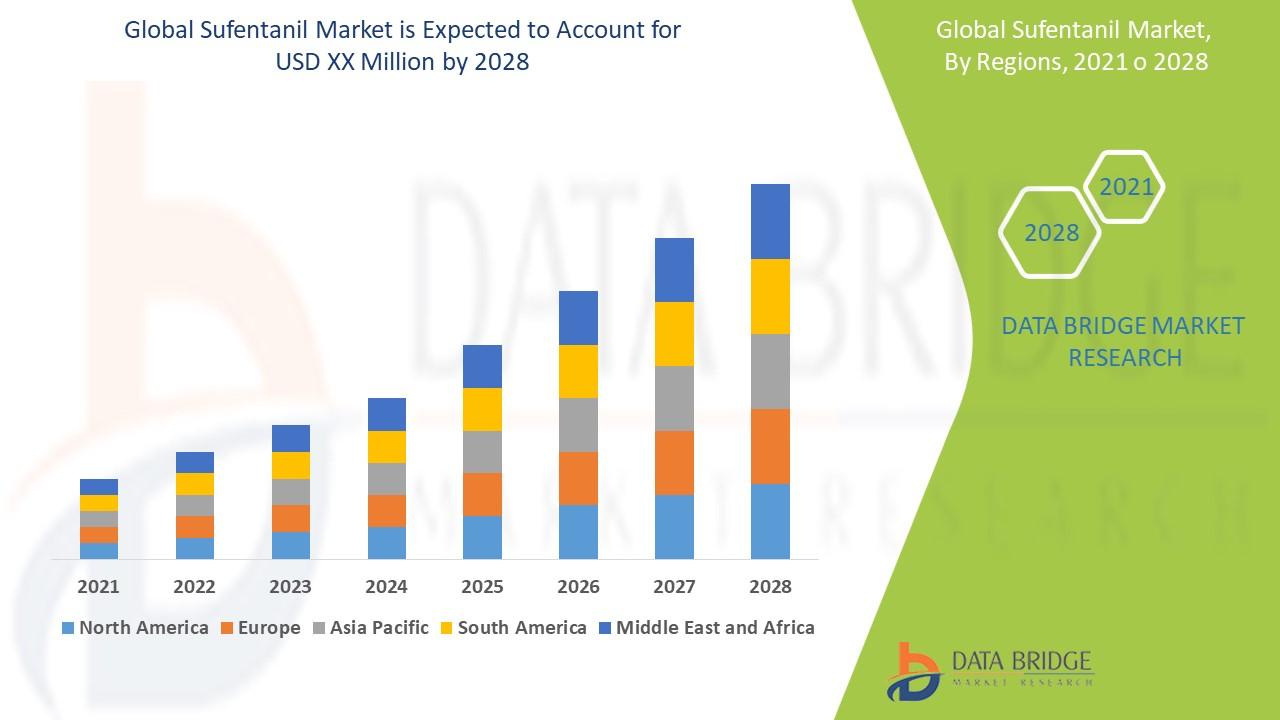
"Executive Summary: Sufentanil Market Size and Share by Application & Industry The global sufentanil market size was valued at USD 191.66 million in 2024 and is projected to reach USD 395.54 million by 2032, with a CAGR of 10.17% during the forecast period of 2025 to 2032.The leading Sufentanil Market analysis report is a careful investigation of current scenario of the...
Introduction About Kenan Yıldız Kenan Yıldız, born on May 4, 2005 in Regensburg, Germany, has quickly established himself as a prominent figure in European football. Representing Turkey on the international stage, he is known for his exceptional skills as a central attacking midfielder, as well as his versatility on both flanks. Currently wearing the number 10 jersey for Juventus in Serie A,...

「エグゼクティブサマリー電子データキャプチャ(EDC)システム市場規模とシェアに関する包括的な展望」 CAGR値 世界の電子データキャプチャ(EDC)システム市場規模は 2024年に18億8000万米ドルと評価され、予測期間中に10.60%のCAGR で 成長し、2032年には42億米ドル に達すると予想されています 。 市場の成長は、臨床試験のデジタル化の進展、リアルタイムデータアクセスの需要、ライフサイエンスおよびヘルスケア業界における効率的な規制遵守の必要性によって主に推進されています。...
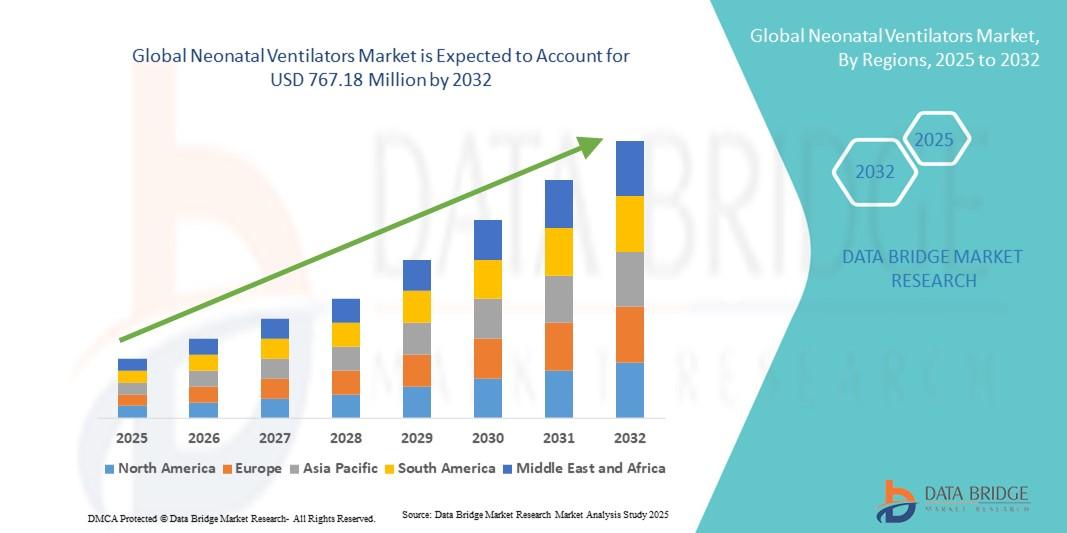
"Future of Executive Summary Neonatal Ventilators Market: Size and Share Dynamics The global neonatal ventilators market size was valued at USD 454.94 million in 2024 and is expected to reach USD 767.18 million by 2032, at a CAGR of 6.75% during the forecast period Businesses can attain detailed insights with the large scale Neonatal Ventilators Market...
Introduction: The Significance of La Liga POTM in FC 26 Each month, fans have the chance to select their top performer from La Liga. Cast your vote for who you think stood out in February! The player chosen as the month's best will receive a special FC 26 POTM item in recognition. Make your voice heard and help decide which football star deserves the honor! Meet the February Nominees How...