


How to Pitch Climate Articles to Editors and Publishers

Are you tired of sending countless climate story pitches that fall flat? Do you wonder why your ideas aren’t gaining traction in some of the most respected outlets? You're not alone. Climate journalism is highly competitive, and many writers struggle to find the right angles that resonate with editors and audiences alike. But there’s good news: with the right approach, your pitches can cut through the noise, rank higher in search results, and even land paid opportunities that elevate your career.
In this comprehensive guide, we unveil advanced techniques to craft compelling, SEO-optimized, and influential climate story pitches. Whether you're targeting niche environmental outlets, mainstream publications, or innovative platforms like Climatexi, these strategies will position you for success.
1. Understand the Climate Journalism Ecosystem
Before diving into the "how," you must understand the "who" and "where." The climate journalism landscape consists of diverse outlets, each with unique editorial standards, payment structures, and audience expectations.
Major outlets:
-
Climate Home News: Focuses on global climate politics with pay rates starting at £0.35 per word.
-
Vox Climate: Known for explanatory journalism, paying between $0.40 to $2 per word.
-
The Guardian's Climate Section: Focuses on policy, impact, and solutions, often paying about £0.49 per word.
-
Nexus Media News: Specializes in community and solutions journalism, paying around $500-1200 for features.
-
Climatexi: A platform dedicated to inspiring climate action, offering paid opportunities with a focus on impactful storytelling.
Niche and regional outlets:
-
Earth Island Journal, Outrider, and Civil Eats are ideal for on-the-ground, investigative, and solutions-based stories.
-
Long Now: Focuses on long-term perspectives, encouraging stories with a timescale of 10,000 years, perfect for innovative, future-thinking climate reporting.
Tip: Research each publication's editorial style, preferred story length, and recent articles. Personalize your pitches accordingly.
2. Develop a Topically Rich, SEO-Driven Pitch
Focus on solutions and localization.
Modern audiences want stories that do more than highlight problems, they seek hope, tangible solutions, and local relevance. Use keywords strategically:
-
Primary Keywords: “Climate story pitch,” “climate journalism jobs,” “solutions-oriented climate articles”
-
Long-tail Variations: “Innovative climate adaptation stories,” “community-led climate resilience,” “climate justice reporting”
Crafting the pitch:
-
Engage with a provocative headline: Use a question or a bold claim to pique curiosity.
-
Lead with a compelling hook: Begin your pitch with a shocking statistic, an inspiring story, or a unique angle.
-
Provide a clear, concise summary: Explain what your story is, why it’s urgent, and what makes it different from the sea of similar pitches.
-
Show your expertise: Mention your sources, experience, or previously published work to establish authority.
-
Suggest multimedia elements: Infographics, maps, videos, or data visualizations increase the story's appeal AND SEO value.
Example:
Headline: "How Indigenous Knowledge Is Revolutionizing Climate Resilience in Kenya"
Hook: "In the drylands of northern Kenya, a community-led initiative is turning traditional wisdom into a powerful tool against drought—yet few journalists have told this story."
Story Summary: "This piece explores a community’s innovative drought-resistant farming techniques, blending indigenous practices with modern technology, offering scalable solutions for climate adaptation."
Sources: Local elders, climate scientists, NGOs
3. Build Your Topical Authority and Trustworthiness (E-E-A-T)
To outrank competitors and get published consistently, your content must demonstrate Experience, Expertise, Authority, and Trustworthiness:
-
Publish frequently on specific climate topics to establish authority.
-
Secure backlinks from reputable environmental organizations, think tanks, and academic institutions.
-
Mention data and peer-reviewed research to add credibility.
-
Collaborate with recognized climate experts and include interviews to boost authority.
-
Use authoritative references like IPCC reports, UN climate reports, and national databases.
Tip: Incorporate multimedia assets (photos, data visualizations) that you have permission to use, further boosting your content's credibility and SEO ranking.
4. Write With Emotional & Visual Impact
Emotional storytelling is a cornerstone of successful climate journalism. Use vivid language, personal anecdotes, and block quotes to connect with readers on a human level.
Sample block quote:
"In the face of climate chaos, communities are not simply victims, they’re innovators, activists, and survivors shaping their futures."
Practical visual tactics:
-
Include infographics illustrating climate impacts or solutions.
-
Embed maps of climate hotspots or adaptation projects.
-
Use compelling images that show real people, not stereotypes.
Appeal to the audience’s values: justice, resilience, hope, and community. This approach retains readers longer, boosts engagement, and improves your ranking signals.
5. Personalize and Optimize Your Pitch
-
Target the right editor: Use LinkedIn, Twitter, or publication websites to find editors who recently published related stories.
-
Reference recent articles: Show you’re familiar with their publication’s style and recent coverage.
-
Tailor your proposal: Avoid generic mass pitches. Explain precisely why your story fits their readership.
-
Provide clear next steps: Attach a brief outline or a sample paragraph if applicable.
Example follow-up hooks:
“Following up on my pitch about indigenous-led climate resilience, I’ve secured exclusive interviews with local leaders—would you like me to develop this into a full report?”
6. Tackle Practicalities for Successful Submission
Pitch timing:
-
Follow up 3–5 days after sending initially.
-
For time-sensitive stories (imminent climate events, policy deadlines), follow more quickly, within 48 hours.
Rate expectations:
-
Small outlets: $100-250 per article.
-
Medium outlets: €250-€500.
-
Top-tier outlets: $2,000+ for investigative long-form pieces.
Additional tips:
-
Be polite but persistent.
-
Accept rejection gracefully and ask for feedback to improve future pitches.
-
Track your pitches with a spreadsheet, note responses, asked revisions, and publication dates.
7. Use Resources to Boost Your Pitch
-
Climate Journalism Networks: Join Unbias the News, Covering Climate Now, or Climate Tracker for mentorship and pitch workshops.
-
News databases: Use IPCC reports, NOAA, NASA climate data, and local government reports to substantiate your story.
-
Software tools: Use Google Trends and SEMrush to identify trending keywords and optimize your titles and headings.
-
Templates: Use proven pitch templates from sites like Reedsy or WritersDigest to craft professional outreach messages.
Final Words: Your Path to Impactful Climate Reporting
Breaking into climate journalism or freelance climate storytelling requires patience, strategy, and boldness. Remember, the most impactful stories are human-centered, solutions-oriented, and local in perspective. Show your audience, and the editors, that your work isn’t just about reporting on a crisis; it’s about inspiring change.
Your voice can make a difference. Use these guidelines, build your topical authority, and craft pitches that elevate your work above the noise.
Question: Are you ready to tell stories that matter? Whether it’s through powerful narratives or data-driven visuals, your climate voice deserves the spotlight. Start pitching today, and watch your impact grow because the world needs your stories now more than ever.
Categorie
- People and Nations
- Transport and Mobility
- Climate Adaptation
- Business and Ecommerce
- Climate Startups
- Climate Policy
- Energy
- Nature and Wildlife
- Food
- Sustainability
- Innovation
- Health
- Climate Justice
- News and Politics
- Climate Finance
- Agriculture
- Research and Education
- Livability
- Climate Cities
- Science
- Sports
- Carbon
- Wellness
- Climate Change General
- Environment and Wildlife Conservation
- Coastal and Oceans
- Manufacturing and Materials
- Pollution
- Climate Mitigation
- Climate Conferences and Events
- Land and Soil
- Youth in Climate
- Weather and Disasters
- Greenhouse effect
- Recycling and Waste management
- Climatexi
- How To
- Products and Services
- Storytelling
Leggi tutto
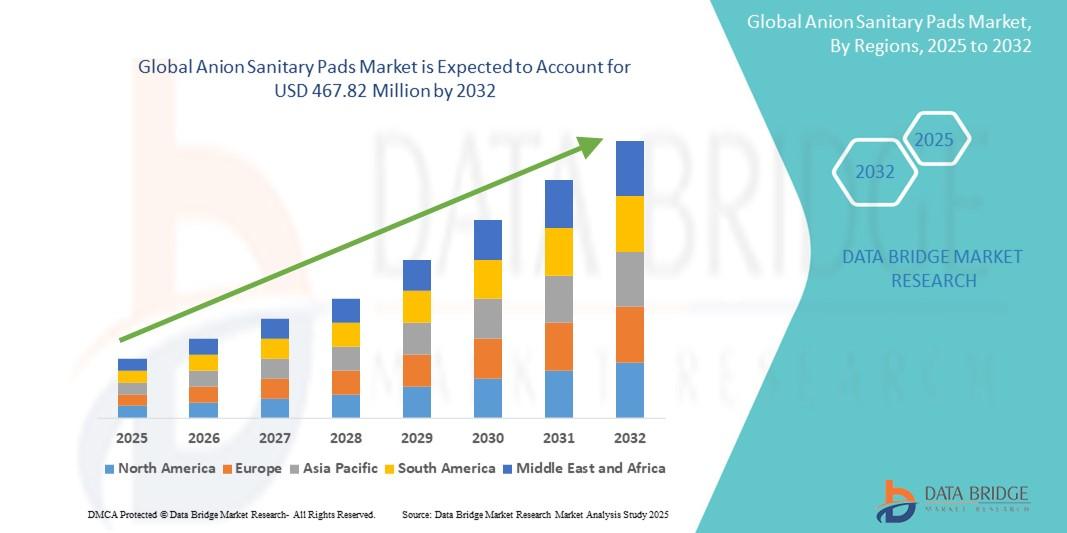
"Detailed Analysis of Executive Summary Anion Sanitary Pads Market Size and Share CAGR Value The global anion sanitary pads market size was valued at USD 333.79 million in 2024 and is expected to reach USD 467.82 million by 2032, at a CAGR of 4.31% during the forecast period This Anion Sanitary Pads Market report serves you with the bigger picture of...
Vietnam Ai In Agriculture Market Outlook (2026-2032) MarkNtel Advisors provides an in-depth analysis of the Vietnam Ai In Agriculture Market, offering insights into market trends, growth potential, competitive landscape, and investment opportunities. The report focuses on the broader market concept, covering segments, market dynamics, future trends and strategy analysis 2032. This structure...

Unlocking Global Netflix Content Across the globe, Netflix libraries hold unique treasures unavailable elsewhere. While smash hits like 'Kpop Demon Hunters' or 'Stranger Things' stream worldwide, countless exclusive films and series remain locked behind regional borders. The US, UK, Canada, Australia, France, and Japan each boast distinct collections. These regional variations stem from...
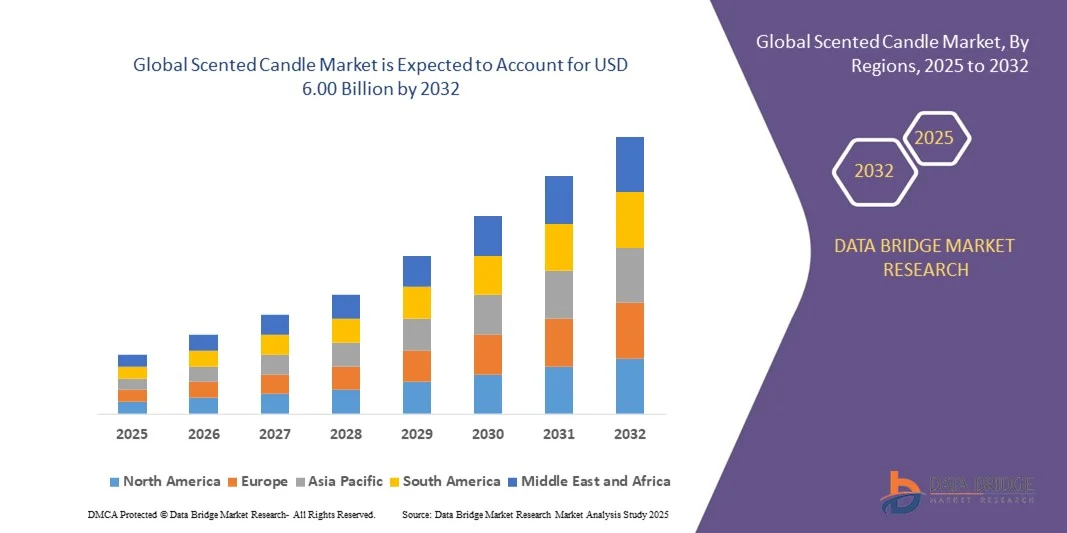
The Scented Candle Market has evolved from a niche luxury segment to a mainstream lifestyle category, driven by rising consumer interest in aromatherapy, home aesthetics, wellness rituals, and gifting culture. With the growing emphasis on mental well-being, indoor ambience enhancement, and premium home décor, scented candles have become staple products across households, spas,...
"Executive Summary In-Flight Catering Services Market Size and Share Analysis Report CAGR Value Data Bridge Market Research analyzes that the global in-flight catering services market is expected to reach the value of USD 27,337.94 million by 2030, at a CAGR of 5.6% during the forecast period. This market report also covers pricing analysis and technological advancements in depth....