


Dual Fuel Engine Market: Powering the Transition to Cleaner and Flexible Energy Systems

The Dual Fuel Engine Market is witnessing significant growth as global industries shift toward more sustainable and efficient energy solutions. These engines, capable of operating on two different fuels—typically a mix of diesel and natural gas—are redefining the power generation, marine, and transportation sectors. As Per Market Research Future, the growing emphasis on cleaner energy systems, emission reduction goals, and cost optimization strategies are key factors driving the market’s expansion.
Dual fuel engines combine the advantages of traditional diesel engines with the environmental and economic benefits of natural gas or alternative fuels. This hybrid capability allows operators to reduce carbon footprints without compromising power, reliability, or performance. As energy systems evolve, these engines are emerging as vital components of the global transition to sustainable operations.
Understanding Dual Fuel Engine Technology
A dual fuel engine operates by utilizing two fuel sources simultaneously. Typically, it uses natural gas as the primary fuel and diesel as the pilot fuel for ignition. The diesel fuel acts as a spark source to ignite the gas-air mixture, leading to efficient combustion.
This technology provides flexibility—if the gas supply is interrupted, the engine can seamlessly switch to operating solely on diesel. Such adaptability makes dual fuel systems particularly attractive in remote operations, shipping, power plants, and heavy-duty transportation, where fuel availability and reliability are critical.
Key Market Drivers
1. Growing Need for Cleaner and Flexible Energy Solutions
As global emission regulations tighten, industries are turning to dual fuel engines to meet efficiency standards and reduce harmful pollutants. These engines enable the use of cleaner fuels like natural gas while maintaining diesel performance levels, contributing significantly to decarbonization efforts.
2. Rising Focus on Cost Optimization
Natural gas is often cheaper and more stable in price compared to diesel. By incorporating gas as a secondary fuel, operators can reduce fuel costs without compromising output efficiency. This economic advantage is particularly beneficial in marine and industrial power generation applications.
3. Expanding Marine Applications
The shipping industry faces growing pressure to reduce sulfur and carbon emissions under international regulations. Dual fuel marine engines, capable of running on LNG and diesel, are becoming the preferred choice for shipowners seeking compliance with International Maritime Organization (IMO) standards.
4. Technological Advancements and Retrofitting Solutions
Recent innovations in fuel injection systems, combustion management, and electronic controls have improved dual fuel engine efficiency. Retrofitting solutions now allow existing diesel engines to be converted into dual fuel systems, expanding their application and accelerating adoption across sectors.
5. Government Initiatives Supporting Sustainable Energy Transition
Governments worldwide are promoting clean energy technologies through policies, tax incentives, and funding programs. Such support encourages industries to adopt hybrid and dual fuel systems that align with sustainability goals and emission reduction targets.
Challenges Facing the Market
Despite the strong momentum, the dual fuel engine market faces challenges that could hinder rapid expansion:
-
High Initial Costs: Installing or retrofitting engines with dual fuel technology can require substantial upfront investment.
-
Fuel Supply Infrastructure: In some regions, limited availability of LNG or natural gas infrastructure restricts the technology’s adoption.
-
Complex Control Systems: Advanced control systems are required to manage the optimal fuel mix and maintain stable combustion.
However, continuous innovation and the expansion of gas distribution networks are expected to alleviate these challenges over time.
Market Segmentation Overview
The dual fuel engine market can be segmented by fuel type, application, and end-use industry:
By Fuel Type
-
Diesel-Natural Gas: The most common configuration, combining efficiency with reduced emissions.
-
Diesel-LPG (Liquefied Petroleum Gas): Used where natural gas access is limited.
-
Diesel-Hydrogen or Biofuels: Emerging segment driven by the pursuit of renewable and low-carbon solutions.
By Application
-
Marine: Widely used in LNG carriers, cargo ships, and offshore vessels to comply with maritime environmental standards.
-
Power Generation: Stationary dual fuel engines are employed in remote or industrial areas where grid access is limited.
-
Transportation: Heavy-duty vehicles and locomotives are increasingly adopting dual fuel systems to balance performance and efficiency.
By End-Use Industry
-
Oil & Gas – for drilling and power operations.
-
Utilities – for decentralized power generation.
-
Industrial & Manufacturing – to reduce fuel costs and emissions.
Regional Insights
-
Asia-Pacific: Emerging as a dominant region due to growing industrialization, increased LNG adoption, and rising marine trade in countries like China, Japan, and India.
-
Europe: Driven by stringent emission norms and strong adoption in marine and transportation sectors.
-
North America: Growth supported by abundant natural gas reserves and investment in cleaner power generation technologies.
-
Rest of the World: Gradual adoption across Africa and the Middle East as nations invest in LNG and alternative fuel infrastructure.
Emerging Trends in the Dual Fuel Engine Market
1. Hydrogen Integration
Manufacturers are exploring hydrogen as a secondary fuel, combining dual fuel technology with hydrogen combustion to achieve near-zero emissions.
2. Digital Control and Monitoring Systems
AI-based control units are being developed to optimize fuel ratios and improve engine performance, reducing operational inefficiencies.
3. Expansion in Marine Hybridization
Dual fuel engines are being integrated with hybrid propulsion systems that combine battery storage with gas and diesel operation for greater flexibility.
4. Increased Retrofits of Existing Fleets
As regulatory pressures intensify, retrofitting existing diesel engines with dual fuel capability offers an affordable transition pathway for many industries.
Future Outlook
As Per Market Research Future, the Dual Fuel Engine Market is set to expand significantly as industries worldwide embrace hybrid energy solutions. The rising focus on reducing emissions while maintaining operational efficiency positions dual fuel engines as a cornerstone technology in the evolving energy landscape.
In the years ahead, the convergence of technological innovation, government support, and sustainability initiatives will make dual fuel engines increasingly vital in global energy systems. These engines not only ensure energy reliability but also bridge the transition between conventional fossil fuels and emerging renewable alternatives.
Frequently Asked Questions (FAQ)
1. What are the main advantages of dual fuel engines?
They offer flexibility, efficiency, and reduced emissions by combining the strengths of two fuel types.
2. Which industries commonly use dual fuel engines?
They are widely used in marine, power generation, oil & gas, and heavy transportation sectors.
3. What is driving the adoption of dual fuel engines globally?
Growing sustainability mandates, emission reduction goals, and technological advancements are accelerating adoption.
Conclusion
The Dual Fuel Engine Market represents a crucial step toward balancing energy efficiency, sustainability, and cost-effectiveness. As industries continue to pursue cleaner operations, dual fuel technology offers the flexibility needed to adapt to evolving energy systems and regulatory standards. As Per Market Research Future, this market’s growth will remain robust, driven by innovation, policy support, and the global shift toward low-carbon solutions.
More Related Reports:
APAC Solar Panel Recycling Market
Categorias
- People and Nations
- Transport and Mobility
- Climate Adaptation
- Business and Ecommerce
- Climate Startups
- Climate Policy
- Energy
- Nature and Wildlife
- Food
- Sustainability
- Innovation
- Health
- Climate Justice
- News and Politics
- Climate Finance
- Agriculture
- Research and Education
- Livability
- Climate Cities
- Science
- Sports
- Carbon
- Wellness
- Climate Change General
- Environment and Wildlife Conservation
- Coastal and Oceans
- Manufacturing and Materials
- Pollution
- Climate Mitigation
- Climate Conferences and Events
- Land and Soil
- Youth in Climate
- Weather and Disasters
- Greenhouse effect
- Recycling and Waste management
- Climatexi
- How To
- Products and Services
- Storytelling
Leia Mais
Gestion de la Résine Dans Genshin Impact, la résine est une ressource essentielle qui influence grandement votre progression. Elle vous permet d'acquérir des équipements de haut niveau et de faire évoluer vos personnages, rendant votre aventure plus efficace et enrichissante. Ce guide vous expliquera comment optimiser son utilisation et comment la recharger...

Former Clear members face unresolved data and refund dilemmas after the program's sudden termination. Laptops from airport kiosks and employee inventories undergo a triple-pass data erasure process. The company claims this procedure exceeds NIST media sanitization guidelines, though independent studies suggest a single secure wipe suffices for modern drives. Completion notifications will be...
The Predictive Analytics market is poised for robust expansion from 2025 to 2033, driven by the rising demand for data-driven decision-making across industries. By 2025, the market is projected to reach a value of approximately USD 22.5 billion. Looking ahead to 2033, it is expected to surge further to around USD 103.0 billion, reflecting a compound annual growth rate (CAGR) of 21.6%...
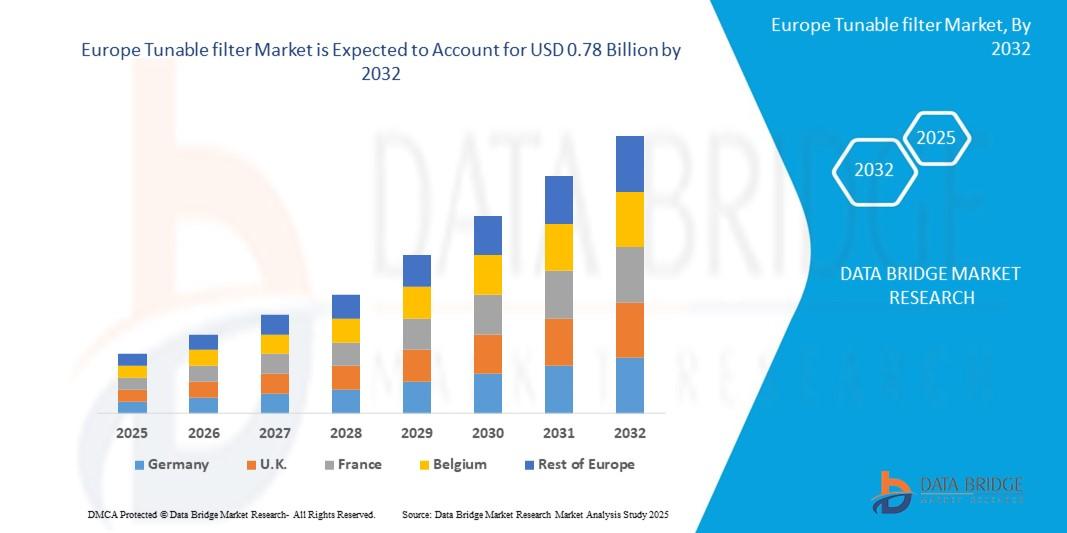
"Global Demand Outlook for Executive Summary Tunable filter Market Size and Share The global Tunable filter market size was valued at USD 172.01 billion in 2024 and is expected to reach USD 225.20 billion by 2032, at a CAGR of 6.3% during the forecast period Tunable filter Market survey report brings into light key market dynamics of sector along...
The global Heart Valve Devices Market is projected to grow rapidly from around USD 10.6 billion in 2025 to approximately USD 24 billion by 2033, exhibiting a strong compound annual growth rate (CAGR) of about 11% during this period. This growth is driven by rising prevalence of cardiovascular diseases, technological advancements in heart valve therapies, and expanding healthcare...