
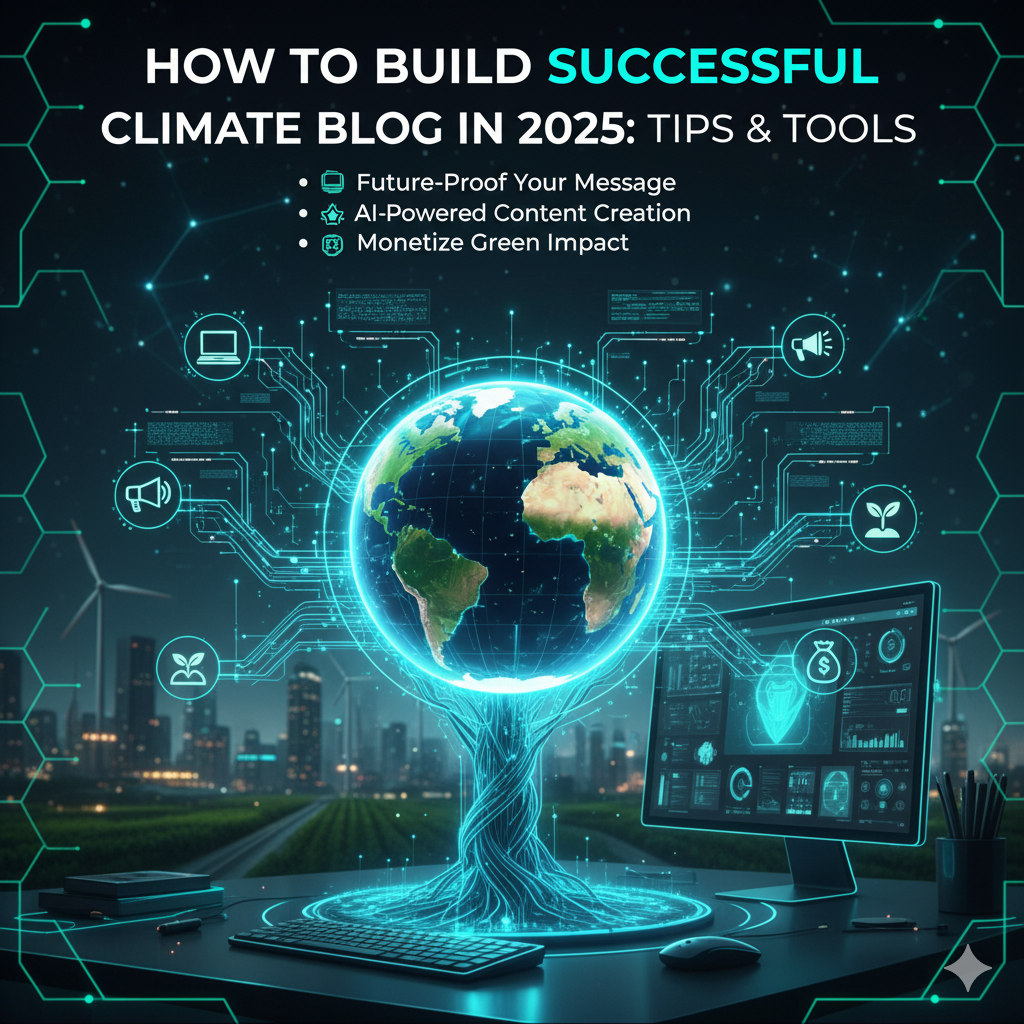
How to Build a Successful Climate Blog in 2025: Tips & Tools
Have you ever felt called to use your voice for the planet, but wondered where to start? I did. I began my climate blog with a simple goal: to inspire others to care for the environment. Every time I shared a story about a local clean-up or a new green gadget, someone reached out saying, “You inspired me to do something.” That’s when I realized: your words matter, especially when they’re rooted in purpose.
Choosing a Niche: Find Your Climate Corner
The first step to building a climate blog is finding your niche. The world of environmental blogging is huge, there’s climate science, sustainable living, green tech, climate justice, and so much more. But trying to cover everything is like trying to drink from a firehose. Instead, focus on what excites you most.
“When I started, I tried to write about everything. Then I realized: I love urban gardening. So I narrowed my focus, and my audience grew,” said a fellow climate blogger.
Ask yourself: What part of climate action lights you up? Is it zero-waste living, renewable energy, or climate policy? Once you find your niche, you’ll attract readers who are passionate about the same things.
Niche specialization is more important than ever in 2025. With so much content out there, readers want depth, not just surface-level coverage. Whether you’re writing about eco-friendly fashion, climate activism, or sustainable travel, pick a topic you can dive into deeply.
Content Planning: Stories That Stick
Planning your content is like planting seeds. You want to nurture them so they grow into something beautiful. Start by brainstorming topics that matter to you and your audience. Think about the questions people are asking: “What are the best tools for climate bloggers?” “How do I grow my climate audience?”
“I keep a running list of ideas. Sometimes, the best posts come from a random conversation or a funny moment,” said a blogger who writes about sustainable fashion.
Use a mix of formats, personal stories, how-to guides, interviews, and opinion pieces. This keeps your blog fresh and engaging. And don’t forget to sprinkle in some humor. Climate change is serious, but a little wit can make your content more relatable.
Content planning also means setting a schedule. Decide how often you’ll post, weekly, bi-weekly, or monthly, and stick to it. Consistency builds trust with your readers.
Climatexi: The Climate Storytelling Hub
If you’re serious about climate blogging, platforms like Climatexi are game-changers. Climatexi is a dynamic climate journalism platform dedicated to advancing climate change storytelling and environmental awareness. It’s not just another blog, it’s a movement that educates, inspires, and mobilizes action on climate change through accessible and impactful storytelling.
“Climatexi has helped me turn my passion into a career. The paid opportunities and supportive community have been invaluable,” said a climate writer.
Climatexi’s mission is to empower communities with climate knowledge, making it easier for people to take informed and urgent climate action. Its vision is a world where climate knowledge is a tool for positive change.
Climatexi’s content strategy is built on SEO-driven articles that address trending climate topics with clarity, emotional resonance, and community engagement. The platform nurtures a community of climate writers and storytellers, providing paid assignments and fostering a collaborative network. This means that as a climate blogger, you’re not just writing in isolation, you’re part of a vibrant, supportive ecosystem.
“Climatexi’s focus on visual storytelling through infographics and interactive content has helped me simplify complex climate issues for my readers,” said a climate journalist.
Climatexi also connects readers to relevant climate jobs and opportunities, reinforcing its role as a hub for climate professionals and activists. Whether you’re looking for inspiration, collaboration, or career advancement, Climatexi is a vital resource.
Monetization Strategies: Making Your Passion Pay
Let’s be real: running a blog takes time and effort. So how do you turn your passion into profit? There are several ways to monetize your climate content.
-
Affiliate Marketing: Recommend products or services you love, and earn a commission when readers buy through your links. For example, if you write about eco-friendly products, include affiliate links to those items.
-
Sponsored Posts: Partner with brands that align with your values. Just make sure to disclose any partnerships.
-
Digital Products: Sell e-books, courses, or printables on topics like zero-waste living or climate action.
-
Donations: If your readers love your work, they might be willing to support you through platforms like Patreon or Ko-fi.
“I started with affiliate marketing, but now I also sell a digital guide on sustainable living. It’s been a game-changer,” said a successful climate blogger.
Remember, monetization isn’t about selling out, it’s about making your passion sustainable.
The Best Tools for Climate Bloggers
You don’t need a fancy setup to start a climate blog, but the right tools can make your life easier. Here are some essentials:
-
Content Management Systems: WordPress and Ghost are popular choices for bloggers.
-
SEO Tools: Use tools like Yoast SEO or Rank Math to optimize your posts for search engines.
-
Social Media Schedulers: Platforms like Buffer or Hootsuite help you share your content across multiple channels.
-
Analytics: Google Analytics gives you insights into your audience and helps you track your progress.
“I use WordPress for my blog and Buffer to schedule my social media posts. It saves me hours every week,” said a climate blogger.
Growing Your Climate Audience
Growing your audience is like tending a garden. It takes patience, care, and a little bit of luck. Here are some tips to help you grow:
-
Engage with Your Readers: Respond to comments, ask questions, and create a sense of community.
-
Collaborate with Other Bloggers: Guest posts, interviews, and collaborations can introduce you to new audiences.
-
Leverage Social Media: Share your posts on platforms like Instagram, Twitter, and Facebook. Use hashtags to reach more people.
-
Email Newsletters: Build an email list and send regular updates to your subscribers.
“I started an email newsletter, and it’s been the best way to connect with my readers,” said a climate blogger.
Advanced Monetization: Courses, Memberships, and More
In 2025, the most successful climate bloggers are diversifying their income streams. Beyond affiliate marketing and sponsored posts, consider creating online courses, offering memberships, or selling physical products.
-
Online Courses: If you have expertise in a particular area, create courses to teach others. Platforms like Hugo Blox make it easy to create and sell courses.
-
Memberships: Offer exclusive content or perks to paying members. This works best if you have a loyal audience.
-
Physical Products: Sell eco-friendly merchandise, such as reusable bags or water bottles, directly from your blog.
“I started a membership site, and it’s been a steady source of income,” said a climate blogger.
A Call to Action: Start Today
Building a successful climate blog isn’t about being perfect. It’s about showing up, sharing your story, and making a difference. So, what are you waiting for? Start today. Share your passion, connect with your audience, and make your voice heard.
“The world needs more climate bloggers. Don’t let fear stop you. Just start,” said a climate activist.
Remember, every great journey begins with a single step. So, what’s your first post going to be about?
Kategorien
- People and Nations
- Transport and Mobility
- Climate Adaptation
- Business and Ecommerce
- Climate Startups
- Climate Policy
- Energy
- Nature and Wildlife
- Food
- Sustainability
- Innovation
- Health
- Climate Justice
- News and Politics
- Climate Finance
- Agriculture
- Research and Education
- Livability
- Climate Cities
- Science
- Sports
- Carbon
- Wellness
- Climate Change General
- Environment and Wildlife Conservation
- Coastal and Oceans
- Manufacturing and Materials
- Pollution
- Climate Mitigation
- Climate Conferences and Events
- Land and Soil
- Youth in Climate
- Weather and Disasters
- Greenhouse effect
- Recycling and Waste management
- Climatexi
- How To
- Products and Services
- Storytelling
Mehr lesen
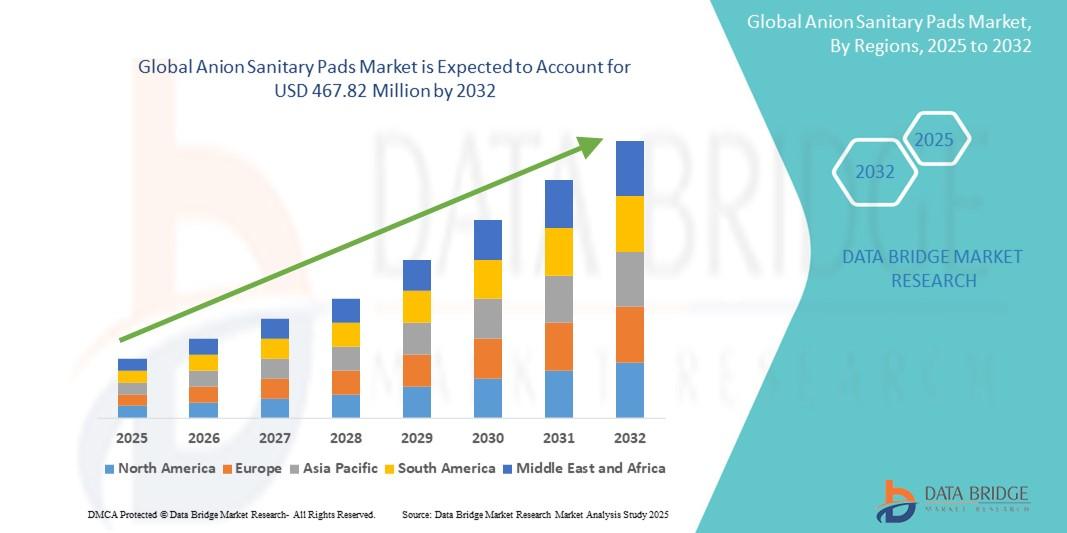
"Detailed Analysis of Executive Summary Anion Sanitary Pads Market Size and Share CAGR Value The global anion sanitary pads market size was valued at USD 333.79 million in 2024 and is expected to reach USD 467.82 million by 2032, at a CAGR of 4.31% during the forecast period This Anion Sanitary Pads Market report serves you with the bigger picture of...
Missions et Quêtes Secrets En vous aventurant dans la région de Nod Krai, vous découvrirez une série de trois missions essentielles pour obtenir une partie des preuves du connaisseur. Ces missions ne se contentent pas de vous faire progresser dans votre collection, elles vous donneront également accès à un réseau de sept...

Comic-Con Saturday Highlights Saturday at Comic-Con kicks off with an intriguing mix of discussions and panels that promise to engage fans and industry insiders alike. Early morning sessions include a debate titled "From Buddha to Batman," where Deepak Chopra and Grant Morrison explore the spiritual dimensions of superheroes, offering a philosophical twist to the day’s lineup. Meanwhile,...
India Biocides Market Size & Insights According to MarkNtel Advisors study The future of India Biocides Market size is valued at around USD 414.07 million in 2025 and is projected to reach USD 580.75 million by 2030. Along with this, the market is estimated to grow at a CAGR of around 5.80% during the forecast period, i.e., 2026-30. What are the Key Driver in the India Biocides...
The Digital Health Monitoring Devices Market has rapidly evolved into one of the most transformative segments within the healthcare industry. The market is being driven by rising demand for real-time patient monitoring, the growing prevalence of chronic diseases, increased adoption of wearable technologies, and the shift toward remote healthcare delivery. As healthcare systems...