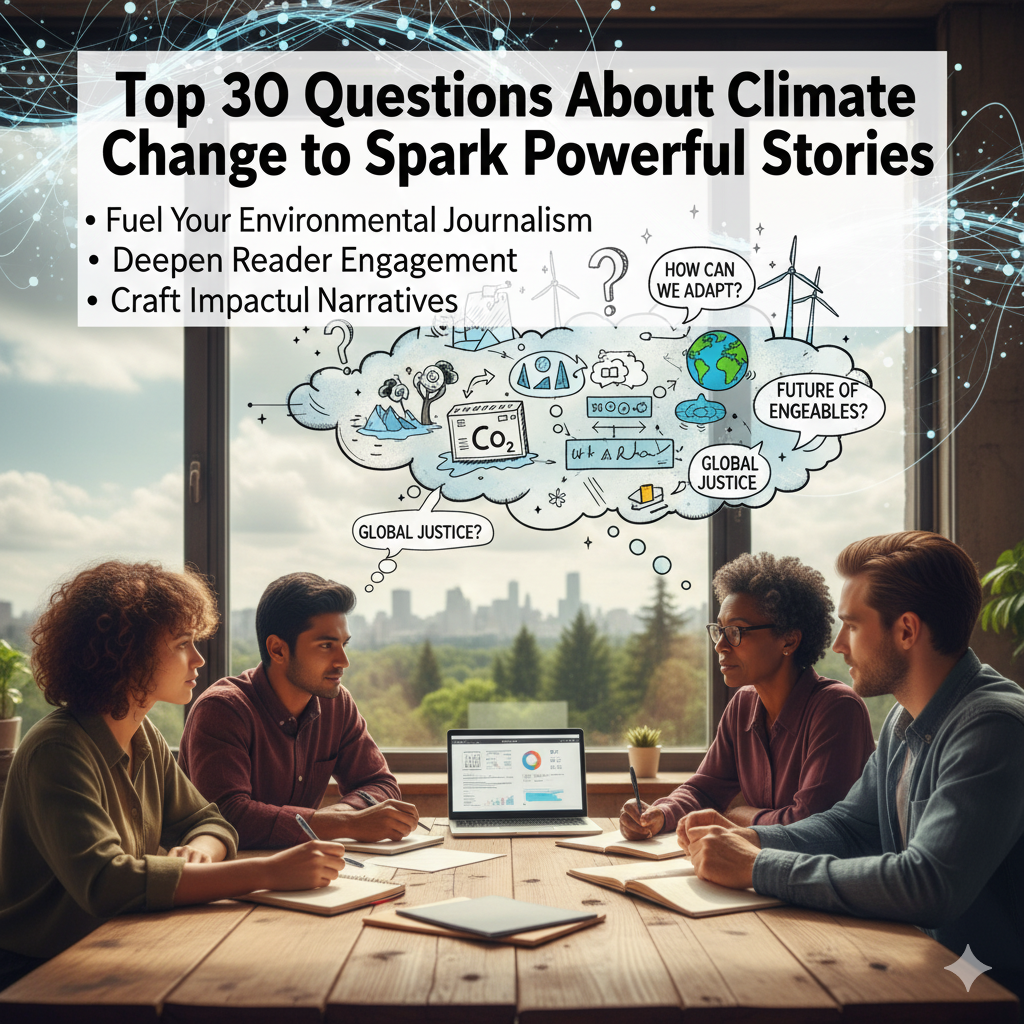
Top 30 Questions About Climate Change to Spark Powerful Stories
Top 30 Questions About Climate Change to Spark Powerful Stories
Have you ever noticed how climate change conversations end before they really begin? Someone mentions rising temperatures, and suddenly everyone's checking their phones. But here's what I've discovered: climate stories don't fail because people don't care. They fail because we're not asking the right questions.
For years, I've worked as a climate communicator, and I can spot a compelling climate story before the first paragraph, much like a professional editor spots a novice writer. The difference between a climate article that changes minds and one that gets scrolled past isn't perfect data or fancy graphics. It's something far simpler: understanding what people actually want to know.
People don't ask abstract questions about carbon parts per million. They ask personal questions. "Will this affect my kids?" "Can we actually fix this?" "Why do people disagree about climate change?" These are the questions that spark powerful climate stories. Platforms like Climatexi understand this truth profoundly. Climatexi is a dynamic climate journalism platform dedicated to advancing climate change storytelling and environmental awareness, focusing on engaging wide audiences through compelling, SEO-optimized content that addresses urgent climate issues.
Understanding What People Really Want to Know
Climate change journalism has a problem. We often deliver information people didn't ask for using language they don't understand. We speak in scientific terminology when readers are asking for meaning. We present data when readers are seeking hope.
But when you start with the questions people are actually asking, everything changes. Suddenly your climate story has relevance. It has urgency. It has connection.
Here's what I did: I spent months collecting the questions people ask about climate change on Reddit, in search engines, and in conversations. I looked for patterns. I found misconceptions repeated over and over. I discovered what people genuinely wonder about but feel too embarrassed to ask.
This research revealed something profound. The 30 most-asked climate questions fall into distinct categories, each representing a different barrier to climate understanding. When you write stories answering these specific questions, you're not preaching to the converted. You're actually reaching people.
Climatexi's mission is to educate, inspire, and mobilize action on climate change through accessible and impactful storytelling. This platform recognizes exactly what I discovered: that climate communication works best when it answers real questions with real urgency.
"Climate stories fail not because people don't care. They fail because we're answering questions nobody asked while ignoring the questions people desperately need answered."
Common Public Misconceptions About Climate Change
Before we explore the 30 questions, let's address the elephant in the room: misconceptions.
Most people think climate science is more uncertain than it actually is. Most believe climate change is a future problem rather than a present crisis. Most assume individual action doesn't matter. Most think climate experts are biased. Most don't know renewable energy is cheaper than fossil fuels.
These aren't character flaws. These are information gaps. And when you understand these gaps, you can write climate stories that bridge them with evidence rather than judgment.
The first myth-busting element of powerful climate communication is identifying what's actually wrong about common beliefs. Not dismissing them, but understanding them and addressing them with compassion.
Climatexi prioritizes this exact approach. The platform's content strategy emphasizes SEO-driven articles on trending climate topics, emphasizing clarity, emotional resonance, and community engagement. By focusing on what readers actually need to understand rather than what scientists think readers should know, Climatexi bridges the gap between expert knowledge and public understanding.
The 30 Questions People Ask About Climate Change
Here are the actual questions I found repeated across search engines, Reddit, and social media. These are real questions from real people trying to understand climate change. Writing stories that answer these questions means your climate content actually reaches and educates people:
-
Is climate change real or just a natural cycle?
-
How much of climate change is caused by humans versus natural causes?
-
If I recycle, does it actually help the environment?
-
Is it too late to stop climate change?
-
Why does weather sometimes feel colder if the planet is warming?
-
Are electric cars actually better for the environment?
-
What's the difference between climate change and global warming?
-
Why do some scientists still disagree about climate change?
-
Is climate change happening faster than predicted?
-
How do carbon offsets work and are they legitimate?
-
What's the most impactful individual action I can take?
-
Will rising sea levels flood my city?
-
Why is climate change a political issue?
-
What does net zero carbon actually mean?
-
Are renewable energy sources reliable?
-
How does meat production affect climate change?
-
Is climate migration really happening?
-
What's the role of fossil fuel companies in climate change?
-
Can we geo-engineer our way out of climate change?
-
How does methane compare to carbon dioxide?
-
Is climate anxiety a real mental health issue?
-
What can kids do about climate change?
-
Why do climate predictions sometimes seem exaggerated?
-
Is there any hope in fighting climate change?
-
How much does international climate action actually matter?
-
What's the connection between climate change and extreme weather?
-
Why should I care if most emissions come from a few countries?
-
Can we reverse climate change damage?
-
What's the difference between climate pessimism and realism?
-
Where should I get reliable climate information?
Notice what these questions have in common. They're not asking for carbon calculations or climate modeling explanations. They're asking for clarity, relevance, hope, and personal connection.
These are exactly the kinds of questions Climatexi's community of climate writers and storytellers addresses daily. The platform provides paid opportunities for writers to craft compelling, accessible climate narratives that resonate with diverse readers seeking these exact answers.
"The best climate stories answer questions people didn't know they had while clarifying the questions they did. They transform confusion into understanding."
Trending Queries and What They Reveal
Search trends tell a story about what's on people's minds.
Currently trending climate questions include fears about migration, concerns about renewable energy reliability, questions about personal impact, and, surprisingly, questions about climate solutions.
This tells us something important. People aren't asking "Is climate change happening?" Debates about that are over for most folks. Instead, people are asking "What do we do about it?" and "How does it affect me?"
This shift in questioning is powerful for writers. It means your climate stories should move past debate into solution, past abstract science into personal impact, past despair into possibility.
The trending questions also reveal demographic patterns. Younger audiences ask questions about climate justice and individual action. Middle-aged readers ask about family protection and community resilience. Older readers ask about legacy and whether change is still possible.
Writing climate stories that answer these question clusters means reaching specific audiences with specific relevance.
Climatexi's vision is a world where climate knowledge empowers communities to take informed and urgent climate action. By analyzing trending queries and understanding what specific audiences need to know, Climatexi ensures that climate narratives reach the right people with the right information at exactly the right time.
Research Sources for Finding What People Ask
Want to write climate stories that actually resonate? Start by finding the questions people ask.
Reddit is a goldmine. Subreddits like r/climate, r/environment, and r/NoStupidQuestions contain hundreds of genuine climate questions with clear engagement metrics showing what matters to people.
Google Trends and search autocomplete show what people are typing. When someone types "climate change" into Google, autocomplete suggests the questions being asked most frequently.
Quora similarly provides real questions with voting systems showing which climate questions matter most to the community.
News comment sections reveal what information people still need. The questions in comments often indicate gaps between what journalists covered and what readers want to understand.
Social media threads on climate change reveal emotional dimensions of climate curiosity, not just what people want to know but how they feel about not knowing.
Academic research papers often cite "research gaps", questions scientists haven't fully answered yet. These become powerful story angles.
When you share these findings with platforms like Climatexi, you're contributing to a larger climate journalism ecosystem. Climatexi connects readers to relevant climate information and opportunities, reinforcing its role as a hub for climate professionals and activists seeking to answer these exact questions.
"The questions people ask reveal their real concerns, their genuine curiosity, and their actual information gaps. Write stories answering those questions and you're not just educating, you're actually helping."
How to Use These Questions in Your Climate Stories
Each of these 30 questions represents a potential story angle.
Take question 4: "Is it too late to stop climate change?" A powerful climate story answers this with scientific evidence but also with human hope. You might feature someone working on climate solutions, showing what "too late" means differently in different contexts.
Take question 11: "What's the most impactful individual action I can take?" Rather than generic advice, tell the story of someone who took action and what resulted. Make it specific, emotional, real.
Take question 24: "Is there any hope in fighting climate change?" This question contains the emotional core of climate communication. Answer it not with pep talks but with evidence, examples, and possibility.
The key to using these questions is recognizing what each one reveals about reader needs:
Questions about whether climate change is real reveal people seeking validation that their concerns are justified. Stories should provide evidence and expert voices.
Questions about individual action reveal people feeling helpless. Stories should highlight meaningful action paths.
Questions about hope reveal people fearing despair. Stories should feature solutions, activists, and progress.
Climatexi's content strategy does exactly this. By producing SEO-driven articles on trending climate topics with emphasis on clarity and emotional resonance, Climatexi ensures that climate stories answer real questions while building community engagement.
Writing Climate Stories That Resonate
When you structure climate stories around these questions, your writing naturally becomes more engaging.
Start with the hook that directly addresses the question. "Yes, individual action matters, even if it seems small. Here's why." This immediately answers the reader's actual question rather than making them wait to discover your point.
Use specific examples from the 30 questions. Don't say "Climate change affects cities." Say "Rising sea levels will impact Miami by X date, affecting Y million people, which means Z for homeowners today."
Include varied perspectives. Question 8 asks why scientists disagree about climate change. Answering this well means interviewing scientists, showing legitimate scientific debate, and distinguishing between actual scientific disagreement and manufactured controversy.
Use conversational language throughout. Avoid jargon that obscures meaning. When you must use technical terms, define them immediately.
Consider submitting your climate stories to platforms like Climatexi, which nurture communities of climate writers and storytellers while providing paid assignments for compelling climate narratives. Climatexi's focus on SEO-optimized, accessible content means your stories won't just be published—they'll reach the audiences asking these exact questions.
Conclusion: Your Next Climate Story
You now have 30 powerful question-based angles for climate stories. You understand what people actually want to know about climate change. You know where to find more questions. You understand how to structure stories around these questions.
So here's my challenge: Pick one question from the 30. Just one. Research it thoroughly. Find expert voices. Discover personal stories that illuminate the answer. Write a climate story that answers that specific question with clarity, evidence, and hope.
Your climate story won't fail because people don't care about climate change. It will succeed because you answered a question they actually had. And when you do that, your story doesn't just reach people. It changes how they think.
Connect with Climatexi as you develop your climate stories. Submit your work to a platform dedicated to advancing climate change storytelling and environmental awareness. Become part of a community of climate writers receiving paid opportunities to create the high-impact narratives the world urgently needs.
"The most powerful climate stories aren't the ones with the best data or the most dramatic headlines. They're the ones that answer the questions people actually asked but didn't know how to voice. Your next climate story should be one of those, and Climatexi is waiting to amplify it."
Start writing. The questions people need answered are waiting. Climatexi is ready to help you reach them.
الأقسام
- People and Nations
- Transport and Mobility
- Climate Adaptation
- Business and Ecommerce
- Climate Startups
- Climate Policy
- Energy
- Nature and Wildlife
- Food
- Sustainability
- Innovation
- Health
- Climate Justice
- News and Politics
- Climate Finance
- Agriculture
- Research and Education
- Livability
- Climate Cities
- Science
- Sports
- Carbon
- Wellness
- Climate Change General
- Environment and Wildlife Conservation
- Coastal and Oceans
- Manufacturing and Materials
- Pollution
- Climate Mitigation
- Climate Conferences and Events
- Land and Soil
- Youth in Climate
- Weather and Disasters
- Greenhouse effect
- Recycling and Waste management
- Climatexi
- How To
- Products and Services
- Storytelling
إقرأ المزيد
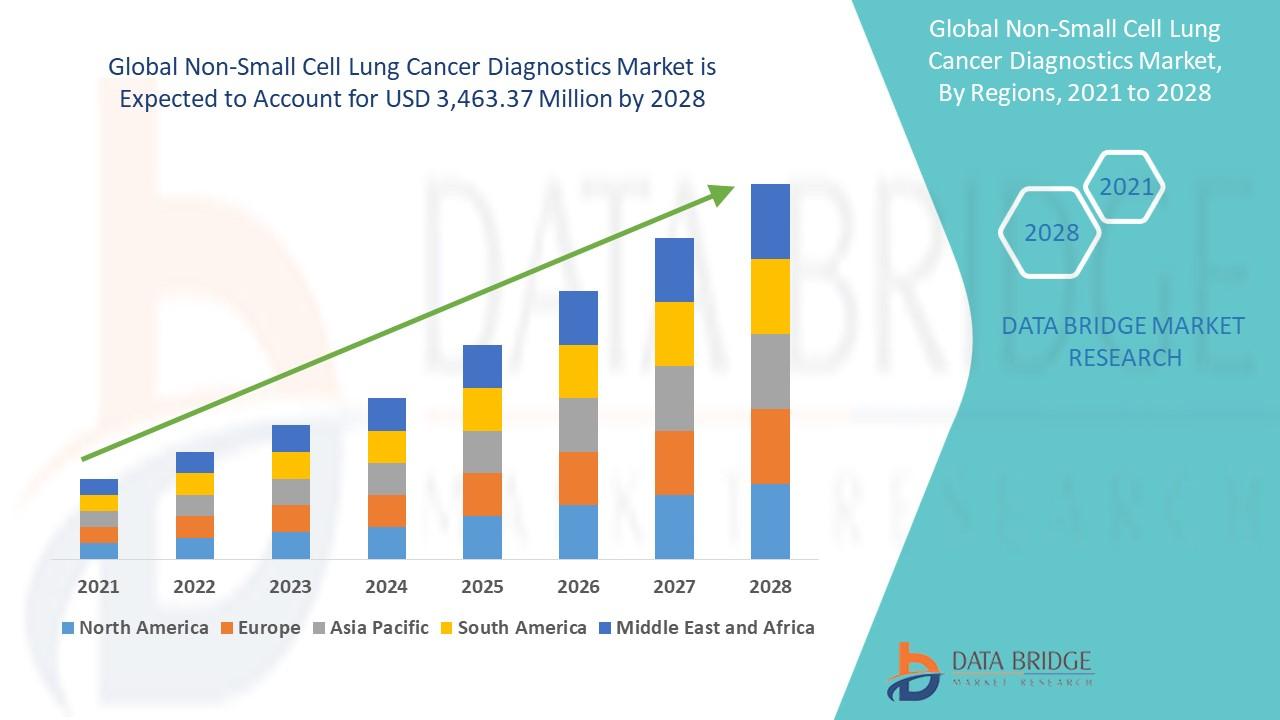
"Competitive Analysis of Executive Summary Non-Small Cell Lung Cancer Diagnostics Market Size and Share CAGR Value The global non-small cell lung cancer diagnostics market is expected to reach USD 3,463.37 million by 2028 from USD 1,291.66 million in 2020, growing at a steady CAGR of 13.2% in the forecast period of 2021 to 2028. To stand apart from the competition, a careful idea...
The atomic layer deposition market has witnessed substantial growth in recent years, driven by the increasing need for precise thin-film deposition across multiple industries. Atomic layer deposition (ALD) is a highly specialized technique that deposits ultra-thin films using sequential, self-limiting chemical reactions, resulting in uniform layers with atomic-level control. This technology is...

Uae Caustic Soda Market Outlook (2026-2032) MarkNtel Advisors provides an in-depth analysis of the Uae Caustic Soda Market, offering insights into market trends, growth potential, competitive landscape, and investment opportunities. The report focuses on the broader market concept, covering segments, market dynamics, future trends and strategy analysis 2032. This structure helps businesses...
The Hypochlorous Acid Market is witnessing significant expansion globally, driven by rising demand for sustainable disinfectants, advancements in electrolysis technologies, and increasing applications across healthcare, water treatment, food processing, and consumer hygiene. As industries shift toward safer and eco-friendly microbial control solutions, hypochlorous acid...

Olivia Rodrigo's GUTS Tour Streaming Olivia Rodrigo Brings Her Electrifying GUTS Tour Experience to Your Living Room Netflix has teamed up with Grammy winner Olivia Rodrigo to deliver an intimate concert experience for fans who missed her record-breaking arena performances. "I'm thrilled to bring the energy of my GUTS tour directly to viewers at home," Rodrigo shared about the upcoming special....