


The Digital Shield: Understanding the Critical Importance of Modern Cyber Security

In our deeply interconnected world, where data is the new currency and digital infrastructure underpins every aspect of modern life, the need for robust protection has never been greater. This is the realm of Cyber Security, a vast and ever-evolving discipline dedicated to protecting computer systems, networks, and data from theft, damage, or unauthorized access. It is a constant battle between defenders and a sophisticated array of adversaries, ranging from individual hackers and organized criminal groups to nation-state actors. The practice of cybersecurity involves a combination of technology, processes, and user education designed to create a layered defense against a constantly changing threat landscape. As our reliance on digital systems deepens, the market for these protective measures is experiencing explosive growth. The Cyber Security Market size is projected to grow to USD 495.62 Billion by 2035, exhibiting a CAGR of 11.37% during the forecast period 2025 - 2035, highlighting its indispensable role in the modern economy.
The fundamental principles of cybersecurity are often summarized by the "CIA Triad": Confidentiality, Integrity, and Availability. Confidentiality is about ensuring that data is accessed only by authorized individuals; this is the principle that prevents your private emails or a company's trade secrets from being exposed. It is typically achieved through measures like encryption and strict access controls. Integrity focuses on maintaining the accuracy and trustworthiness of data, ensuring that it is not altered or corrupted by an unauthorized party. This is critical for everything from financial records to medical data. Availability ensures that systems, networks, and data are accessible and usable when needed. This principle is targeted by denial-of-service (DoS) attacks, which aim to make a website or service unavailable to its legitimate users. A comprehensive cybersecurity strategy must address all three of these core principles to be effective.
The threat landscape that cybersecurity professionals must defend against is diverse and constantly evolving. Malware, which includes viruses, worms, and spyware, is a common threat designed to disrupt operations or steal information. Ransomware is a particularly vicious form of malware that encrypts a victim's files and demands a ransom payment for the decryption key. Phishing is a social engineering attack where attackers trick users into revealing sensitive information, like passwords or credit card numbers, by posing as a trustworthy entity in an email or message. Other major threats include denial-of-service attacks, data breaches resulting from misconfigured cloud servers, and advanced persistent threats (APTs), which are sophisticated, long-term attacks often orchestrated by nation-states to achieve strategic objectives like espionage or sabotage.
To combat these threats, cybersecurity employs a "defense-in-depth" strategy, creating multiple layers of security controls. This includes preventative measures like firewalls to block malicious traffic and identity and access management (IAM) to ensure only authorized users can access systems. It also involves detective measures like intrusion detection systems (IDS) and security information and event management (SIEM) systems that monitor networks for suspicious activity. Finally, it includes responsive measures, which are the incident response plans and recovery procedures that an organization uses to contain the damage from an attack and restore normal operations as quickly as possible. This multi-layered approach ensures that if one line of defense is breached, others are in place to stop or mitigate the attack.
Accessing the report in your native language can enhance understanding:
Kategoriler
- People and Nations
- Transport and Mobility
- Climate Adaptation
- Business and Ecommerce
- Climate Startups
- Climate Policy
- Energy
- Nature and Wildlife
- Food
- Sustainability
- Innovation
- Health
- Climate Justice
- News and Politics
- Climate Finance
- Agriculture
- Research and Education
- Livability
- Climate Cities
- Science
- Sports
- Carbon
- Wellness
- Climate Change General
- Environment and Wildlife Conservation
- Coastal and Oceans
- Manufacturing and Materials
- Pollution
- Climate Mitigation
- Climate Conferences and Events
- Land and Soil
- Youth in Climate
- Weather and Disasters
- Greenhouse effect
- Recycling and Waste management
- Climatexi
- How To
- Products and Services
- Storytelling
Read More
Securing your online activities and unlocking global content via Starlink requires a VPN—here’s an efficient approach. Unlike traditional ISPs, Starlink’s satellite network still exposes your browsing data, making encryption essential for anonymity and bypassing geographical restrictions. VPNs also combat bandwidth throttling, maintaining optimal speeds while letting you...

The lighting industry faces critical challenges regarding material integrity and electrical safety in outdoor and wet environments. Consumers and contractors trust that products designed for exterior use will provide reliable performance without compromising safety standards. A reputable Led Waterproof Light Factory understands that this trust forms the foundation of their business...
The cinematic adaptation of J.K. Rowling's wizarding saga has ignited unprecedented fervor across China, where audiences are embracing the tale under its localized moniker "Ha-li bo te." Breaking conventional release patterns, Warner Bros. secured a coveted Lunar New Year slot typically dominated by domestic productions. This strategic timing proved pivotal. Despite widespread pirated copies...
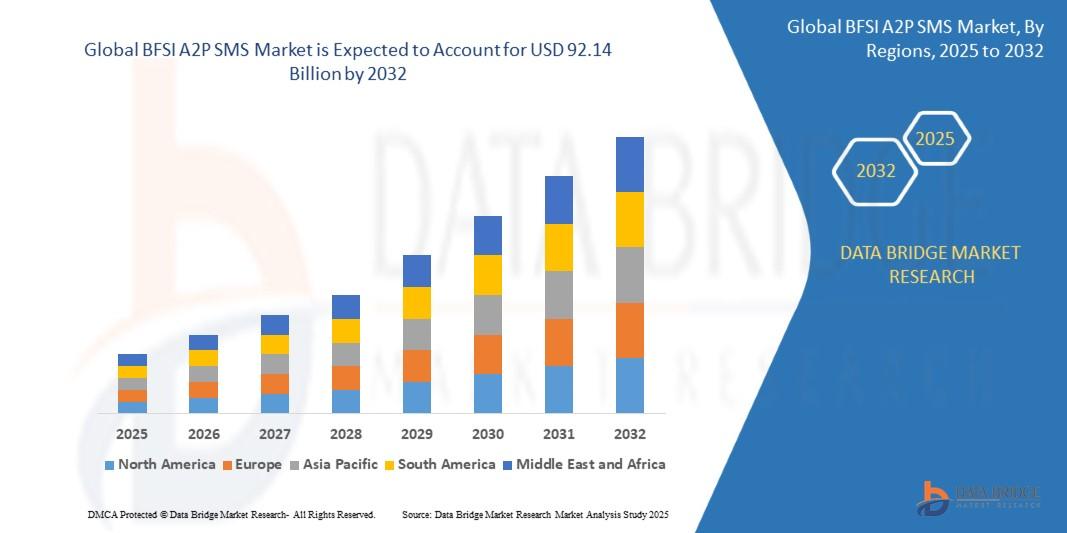
"Executive Summary BFSI A2P SMS Market: Share, Size & Strategic Insights The global BFSI A2P SMS market size was valued at USD 64.30 billion in 2024 and is projected to reach USD 92.14 billion by 2032, with a CAGR of 4.60% during the forecast period of 2025 to 2032. BFSI A2P SMS Market report is structured with the best and advanced tools of collecting, recording, estimating and...
While Chinese tech firms face scrutiny over data practices, American shopping platforms demonstrate voracious data consumption that may construct your digital twin. Amazon emerges as the most prolific collector, harvesting 25 distinct data points - including sensitive voice recordings and audio clips. US apps dominate privacy concerns: Walmart and Costco trail Amazon with 23 data types each,...