

A Strategic Perspective on Global Gaming Developments

As the video game industry in the United States has grown into a dominant force in the mainstream entertainment landscape, it has also attracted a new and increasing level of scrutiny from lawmakers and regulators, a trend that is a critical and often overlooked part of the Gamer Forecast. For many years, the industry was largely successful in governing itself through its industry-funded Entertainment Software Rating Board (ESRB). However, the rise of new, complex business models, particularly those involving in-game spending, and the industry's immense market power, have brought it into the crosshairs of policymakers in Washington D.C. The regulatory concerns are multifaceted and are creating a new and complex legal and public relations landscape for the industry to navigate. The first and most prominent area of scrutiny has been around certain in-game monetization mechanics, particularly the use of "loot boxes"—randomized virtual item packs that consumers can purchase with real money. Critics, both in the US and in Europe, have argued that these mechanics are a form of unregulated gambling that can be particularly addictive and harmful to younger players. This has led to investigations by the Federal Trade Commission (FTC) and proposed legislation in several states and in the US Congress to regulate or ban these practices, which could impact the industry's future worth.
Key Players
The key players in this evolving regulatory battle are a mix of government bodies, industry trade associations, and the major game publishers themselves. The Federal Trade Commission (FTC) has emerged as a key government player, taking a much more aggressive stance on both antitrust and consumer protection issues in the technology and gaming industries under its current leadership. The FTC was the primary US government body that challenged Microsoft's massive acquisition of Activision Blizzard, signaling a new era of antitrust scrutiny for the industry. The US Congress is another key player, with various committees in both the House and the Senate holding hearings on issues like loot boxes, data privacy in gaming, and the market power of the major platform holders like Apple and Google with their app store policies. On the industry side, the primary key player is the Entertainment Software Association (ESA), the main trade association and lobbying group for the video game industry in the US. The ESA's role is to represent the industry's interests in Washington D.C., to advocate for the industry's First Amendment rights, and to promote self-regulation as an alternative to government intervention. The major publishers themselves, such as Microsoft, Sony, and EA, also have their own powerful government affairs and lobbying teams that are actively engaged in shaping the policy debate.
Future in "Gamer Forecast"
The future of regulation in the US gaming industry will likely be a story of increasing oversight and a move towards greater transparency, which will have a direct impact on future monetization strategies and the overall worth of the industry. While a comprehensive, European-style "Digital Services Act" for gaming is unlikely in the US, the future will see a patchwork of more targeted regulations. We can expect to see federal legislation that mandates greater transparency around the odds and mechanics of loot boxes and other randomized in-game purchasing systems. The second major future trend will be continued and likely intensified antitrust scrutiny. Any future mega-mergers in the gaming industry will face a very high bar for approval from both US and international regulators (as seen with the UK's CMA and the EU's European Commission in the Microsoft case), which will affect the industry's consolidation path. The future will also see a greater focus on data privacy, particularly as it relates to the vast amounts of user data collected by online games and gaming platforms, especially from children. The industry will likely have to adapt to a new federal privacy law, which will change how it handles user data for things like personalized advertising. The era of the gaming industry operating largely "under the radar" of US regulators is definitively over.
Key Points "Gamer Forecast"
This analysis highlights several crucial points about the regulatory landscape for the US gaming industry and its impact on the industry's worth. The industry is facing a new era of increased regulatory scrutiny, particularly around its monetization models like loot boxes and the immense market power of its major players. The key players in this new landscape are government bodies like the FTC and Congress, and the industry's own lobbying groups like the ESA. The future will be characterized by new regulations demanding greater transparency in in-game spending, continued antitrust challenges to major mergers, and a greater focus on data privacy. This evolving regulatory environment is a major new source of business risk and a critical factor that will shape the future strategy and profitability of every major company in the US gaming market. The Gaming Industry Report is projected to grow to USD 1050.26 Billion by 2035, exhibiting a CAGR of 13.19% during the forecast period 2025-2035.
Top Trending Reports -
Brazil School Campus Security Market Size
Canada School Campus Security Market Size
China School Campus Security Market Size
Categorias
- People and Nations
- Transport and Mobility
- Climate Adaptation
- Business and Ecommerce
- Climate Startups
- Climate Policy
- Energy
- Nature and Wildlife
- Food
- Sustainability
- Innovation
- Health
- Climate Justice
- News and Politics
- Climate Finance
- Agriculture
- Research and Education
- Livability
- Climate Cities
- Science
- Sports
- Carbon
- Wellness
- Climate Change General
- Environment and Wildlife Conservation
- Coastal and Oceans
- Manufacturing and Materials
- Pollution
- Climate Mitigation
- Climate Conferences and Events
- Land and Soil
- Youth in Climate
- Weather and Disasters
- Greenhouse effect
- Recycling and Waste management
- Climatexi
- How To
- Products and Services
- Storytelling
Leia mais
"Executive Summary Fruit Beer Market: Share, Size & Strategic Insights CAGR Value During the forecast period of 2025 to 2032 the market is likely to grow at a CAGR of 6.50%, primarily driven by rising consumer preference for flavoured and innovative alcoholic beverages The comprehensive Fruit Beer Market report is an insightful and actionable market report which is...

Grey's Anatomy continues its remarkable run since 2005, captivating audiences worldwide with its medical drama twists. Streaming access remains region-dependent, with Disney+ hosting the series internationally under its Star hub, while Netflix carries select seasons in limited territories. To bypass geo-restrictions, employ a premium VPN service to mask your location and access regional...
Journey of a Child Star 'Home Alone' at 35: Macaulay Culkin's Journey from Child Star to Content Father Three and a half decades after the Christmas classic first hit theaters, the film's once-tiny protagonist has grown into a bearded 45-year-old father of two young boys. Far from resenting his early fame, Culkin appears to have made peace with his iconic status as Kevin McCallister. During a...
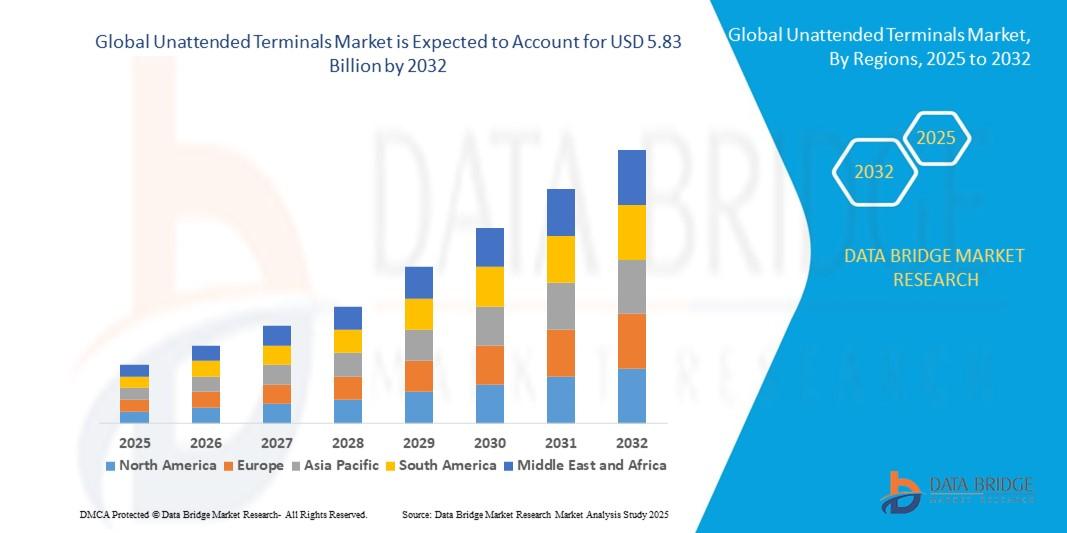
"Executive Summary Unattended Terminals Market Size and Share Across Top Segments CAGR Value The global unattended terminals market size was valued at USD 2.95 billion in 2024 and is expected to reach USD 5.83 billion by 2032, at a CAGR of 8.9% during the forecast period Unattended Terminals Market is a detailed market research report that serves many...
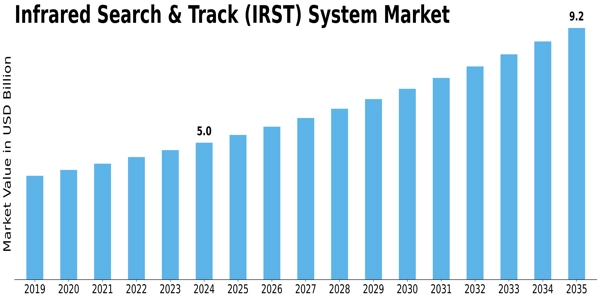
Modern defense operations require precise and reliable target detection to maintain strategic advantages. Infrared Search Track (IRST) systems are essential tools in monitoring, tracking, and identifying threats efficiently. These systems provide enhanced situational awareness and improve tactical response, even in adverse weather or low-visibility conditions. The Infrared Search Track...